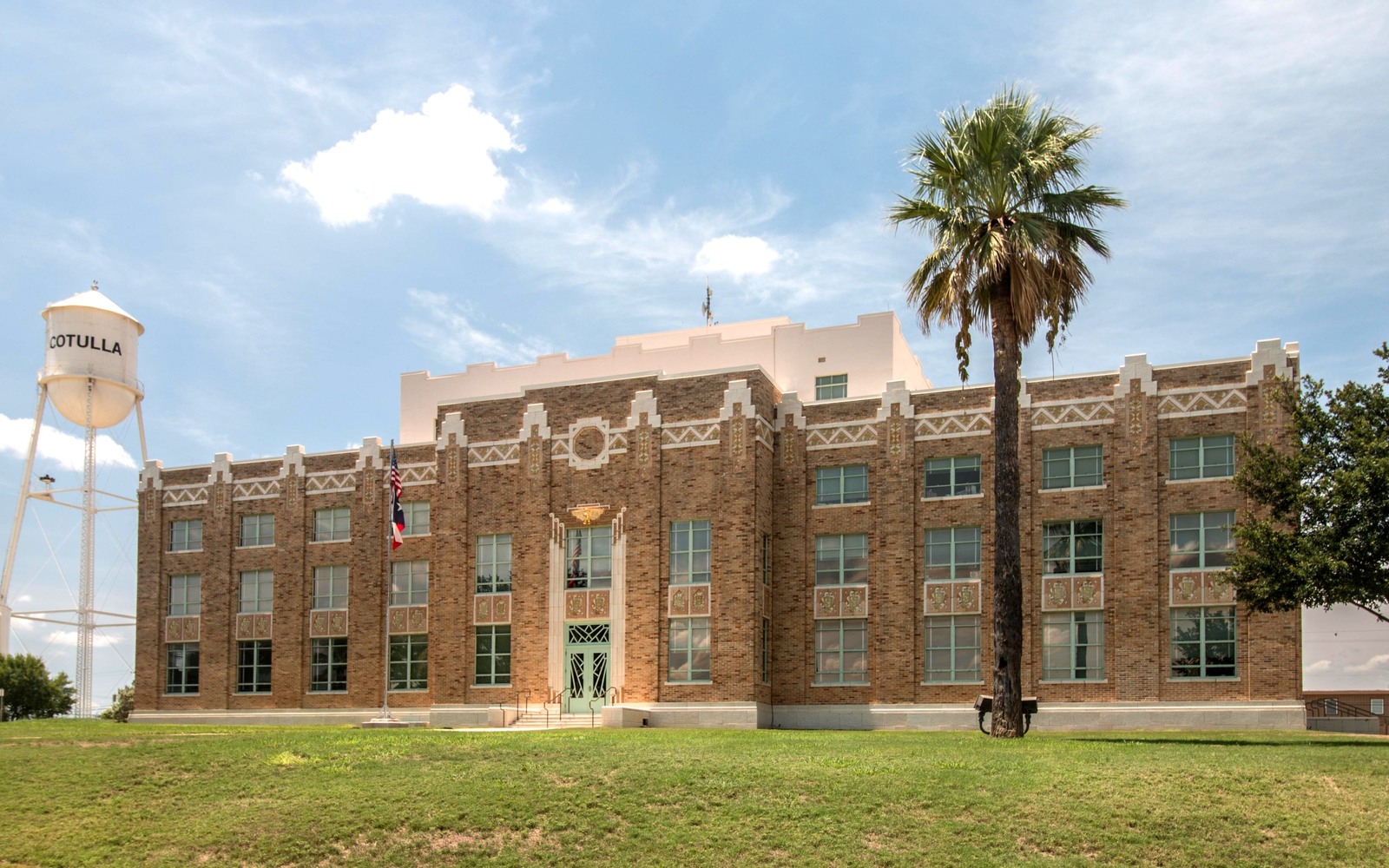
La Salle County and the town of Cotulla became shorthand for the Eagle Ford's early boom, and the courthouse records there still carry that decade's paper trail.
Cotulla is the county seat, and the surrounding ranch land, much of it held by families going back generations before the shale boom, sits in some of the most consistently productive acreage the Eagle Ford has. La Salle County's position in the play's condensate window made it one of the first places operators moved once the Eagle Ford proved out, and that early start means most units here have a long production record behind them.
Whether your interest is in a large ranch tract near Cotulla or a smaller parcel elsewhere in the county, the same clerk's office holds the deed chain.
Condensate Window Economics
La Salle County sits in the Eagle Ford's volatile oil and condensate window, generally considered some of the play's better economics because wells here produce a mix of oil, condensate, and gas rather than leaning heavily one direction. That mix has kept La Salle acreage attractive to operators even as pure dry-gas counties further downdip have seen less activity.
Both the Lower Eagle Ford and, in places, the Austin Chalk have been developed here, sometimes from shared pad sites targeting both zones in the same spacing unit.
Historic Ranches, Modern Units
Land in La Salle County has largely stayed with the same historic South Texas ranching families for generations, and modern horizontal spacing units are often built by pooling several of these large tracts together. If your family's minerals trace to one of these original ranch surveys, the interest is likely a fractional, undivided share of a much larger modern unit.
This pattern means La Salle County ownership can be more concentrated per family than in areas that were subdivided earlier, but it also means unwinding exactly which unit and which zone your interest applies to takes real courthouse research.
Operators and Activity
Marathon, ConocoPhillips, and EOG have all held significant La Salle County positions at different points in the play's history, and acreage has traded between operators as the county matured from initial delineation into full development. If your royalty statement shows a company different from your original lease, that's typical here.
Drilling activity has slowed from the peak years, but the county continues to see completions on already-permitted units, and existing production remains the primary driver of value for most owners.
Why La Salle County Owners Sell
A lot of La Salle County wells are now well past their initial peak, and owners who watched boom-era checks shrink over the past several years often decide a lump sum today makes more sense than continuing to collect a declining monthly amount, especially for interests split among heirs who live outside the county.
Others are dealing with an estate where mineral interests are one asset among several, and consolidating into cash simplifies things considerably.
How We Handle a La Salle County Sale
We start with your legal description, division order, or a recent statement, then confirm current ownership and production status through La Salle County Clerk records ourselves. From there, we price the interest against actual well and unit history rather than a flat countywide number, since the difference between a core unit near Cotulla and a flank tract elsewhere in the county can be significant.
If you accept an offer, we handle the closing paperwork and record the deed with the county directly.
Split Estate and Surface-Mineral Divides
A lot of La Salle County land was sold with the surface and minerals separated at some point in the last century, sometimes generations before the Eagle Ford ever came along. That means the current rancher running cattle on a tract may have nothing to do with who owns what's underneath it, and the mineral owner may live states away with no connection to the day-to-day use of the surface.
If you're a mineral owner with no surface ties to the county, that's normal here, not a red flag. We confirm mineral ownership through the deed chain independent of who currently holds the surface.
What Cotulla's Courthouse Shows
The La Salle County Clerk's office in Cotulla saw an enormous volume of lease filings, assignments, and division orders recorded during the peak boom years, and that filing activity slowed but never stopped as operators continued permitting and completing wells on already-leased acreage. For an owner trying to establish current standing, that deep record means we usually have plenty of documentation to work from, even for interests that haven't been actively managed by the family in years.
Texas Owner Questions
How does La Salle County's condensate window affect value compared to other Eagle Ford counties?
Condensate-window production tends to carry stronger economics than pure dry gas, which we factor in, but actual value still depends on your specific unit's production history.
Your family's ranch has been in La Salle County for generations. How do you confirm your mineral ownership?
We trace the deed and probate history through the County Clerk's office, starting from whatever documentation or family details you can provide.
Can you sell your share if your interest is split among several relatives?
Yes, an undivided fractional interest is yours to sell independent of your co-owners' decisions.
Is drilling still happening in La Salle County?
Activity has slowed from the boom years but continues, primarily on already-established units. We check current status for your specific tract.
What if you do not have a copy of the original lease?
That's common for interests passed through inheritance. A legal description, old check stub, or even a family name is often enough for us to start tracing ownership.
You own minerals here but have no connection to the surface or the county. Is that a problem?
No. Split estate is common in La Salle County, and mineral ownership stands independent of surface use. We verify your interest through the deed chain regardless of your ties to the area.