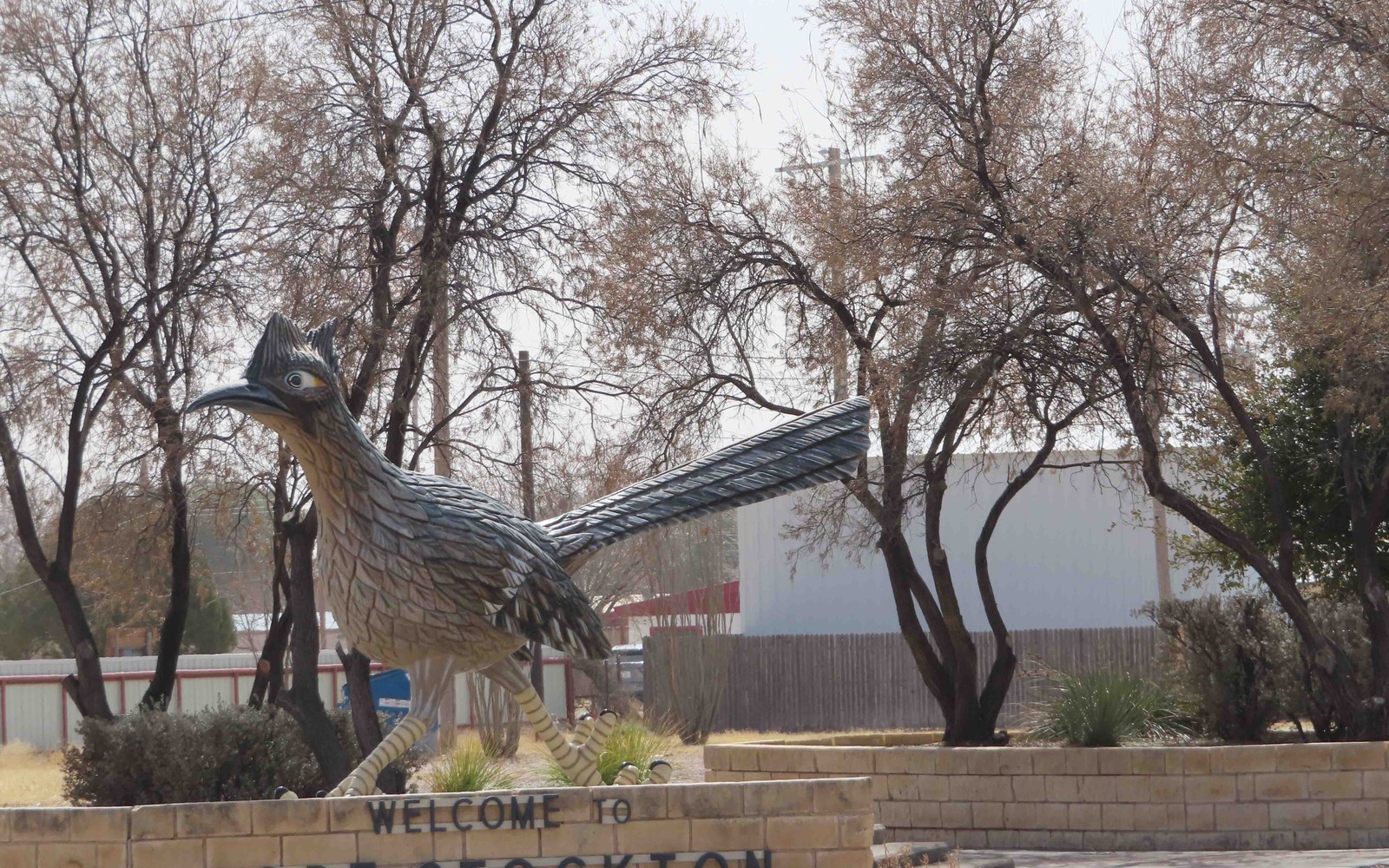
Fort Stockton is the Pecos County seat and sits at the eastern edge of the Delaware Basin, where operators have pushed hard into Wolfcamp and Bone Spring targets over the last decade.
This part of the Delaware runs deeper and gassier than the Midland side of the Permian, which means Fort Stockton-area interests often carry a bigger gas and condensate component alongside oil than what you'd see in a Midland County royalty statement. Ownership here often ties back to old ranch tracts that predate any of the shale-era drilling by decades.
Interstate 10 runs right through town, and the courthouse square still looks like the county seat it's been since the 1870s. Pecos County has always been cattle and sheep ranching first, oil second, which is why a lot of the mineral interests we evaluate here were reserved out of a much older surface transaction rather than sold outright.
Deeper, more complex geology
Delaware Basin wells around Fort Stockton are drilled deeper than most Midland Basin wells and often target multiple Wolfcamp and Bone Spring benches stacked on top of each other. That depth and complexity generally means higher well costs for operators but also can mean larger individual wells, which shows up in your royalty statement as a different production profile than a shallower Midland well.
Ranch land and mineral reservations
A lot of Pecos County ranch families reserved minerals when they sold surface acreage decades ago, well before anyone anticipated the Delaware Basin's horizontal boom. We check the Pecos County Clerk's records for those reservations and any subsequent transfers to confirm exactly what you own before quoting.
What we look at before making an offer
We review production across every wellbore tied to your tract, current oil and gas pricing since Delaware wells often produce meaningful volumes of both, and how much reserve life realistically remains. Fort Stockton interests can vary a lot in value from one tract to the next depending on which specific bench a well targets.
Place the county tract on the basin board
The local file should tie the county record and legal description to the relevant basin, formation, field, unit, wells, permits, and operator position. A surface address can help find the tract, but it does not establish the mineral interest or prove participation in nearby development.
Read the local well vintages
Producing wells, shut-in wells, intermittent wells, newer laterals, older vertical wells, nearby completions, and general operator acreage in the surrounding area belong in separate evidence lanes. The paid property history carries more weight than a rig or permit that does not include the subject acreage.
Reconcile the ownership line
Deeds, reservations, leases, assignments, probate or trust records, division orders, unit documents, payor records, and statements should all point to the same local interest. Acreage, fractions, burdens, depths, products, and the paid decimal stay open until the supporting records agree.
Compare the deed and closing terms
A written offer for the tract should state the exact interest conveyed, effective date, receivables, reservations, title standard, curative responsibility, adjustment rights, payment conditions, and recording sequence. A strong headline number can still carry a broad deed or a weak closing condition.
Texas Owner Questions
Why does your Fort Stockton royalty include both oil and gas payments?
Delaware Basin wells commonly produce oil, gas, and natural gas liquids together. Your statement reflects all three, and we account for that combined value.
Your family reserved minerals when you sold the ranch decades ago. How do you confirm that?
We pull the original reservation deed and every subsequent transfer from the Pecos County Clerk to confirm your current ownership before quoting.
Are Delaware Basin wells more valuable than Midland Basin wells?
It varies well by well. We price your specific interest against its actual production and current pricing rather than a basin-wide assumption.
Do you buy interests that are leased but not yet producing?
Yes, though the offer reflects the added uncertainty of undeveloped acreage. We'll walk through how that changes the number compared to a producing well.