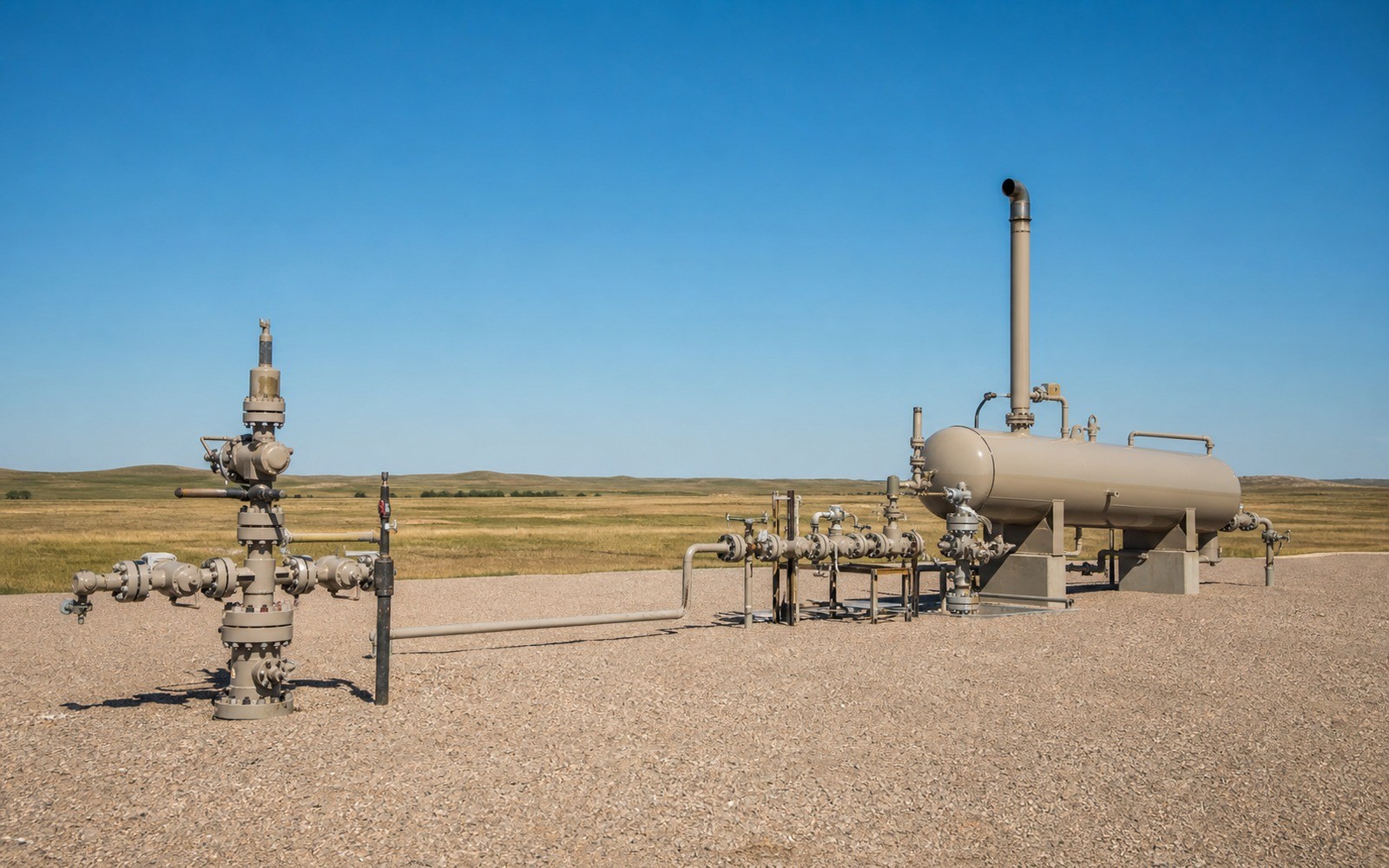
Fowlerton sits in La Salle County, squarely in the Eagle Ford's oil window, ground that operators worked heavily during the play's peak years.
La Salle County was one of the busiest counties in the entire Eagle Ford during the boom, and Fowlerton's stretch of it saw dense horizontal drilling on ranch tracts that mostly stayed in family hands even as the surface got covered in pad sites and pipeline right-of-ways.
This is small-town brush country, cattle and hunting leases alongside the oil business, and a lot of the families who own minerals here also lease their surface for deer season every fall. That surface income is separate from anything we're evaluating on the mineral side.
Oil window economics
Being in the oil window means Fowlerton-area wells generally produce a higher proportion of crude relative to gas than acreage farther east, which makes these interests more sensitive to oil pricing swings. We factor current oil pricing directly into how we value production from your specific tract.
Dense development, careful title work
With La Salle County's heavy drilling density, it's common for a single family tract to be pooled into several different units over the years as operators infilled the acreage. We track every unit your interest touches through La Salle County Clerk records and Railroad Commission filings before putting together an offer.
The decline curve a decade-plus in
Most Fowlerton-area Eagle Ford wells are now well past their early peak, producing at a fraction of their first-year rates. That's the expected shape of an oil shale well this far into its life, and it's the current, actual production we price against.
Place the county tract on the basin board
The local file should tie the county record and legal description to the relevant basin, formation, field, unit, wells, permits, and operator position. A surface address can help find the tract, but it does not establish the mineral interest or prove participation in nearby development.
Read the local well vintages
Producing wells, shut-in wells, intermittent wells, newer laterals, older vertical wells, nearby completions, and general operator acreage in the surrounding area belong in separate evidence lanes. The paid property history carries more weight than a rig or permit that does not include the subject acreage.
Reconcile the ownership line
Deeds, reservations, leases, assignments, probate or trust records, division orders, unit documents, payor records, and statements should all point to the same local interest. Acreage, fractions, burdens, depths, products, and the paid decimal stay open until the supporting records agree.
Compare the deed and closing terms
A written offer for the tract should state the exact interest conveyed, effective date, receivables, reservations, title standard, curative responsibility, adjustment rights, payment conditions, and recording sequence. A strong headline number can still carry a broad deed or a weak closing condition.
Texas Owner Questions
Why does your check move so much with oil prices?
Fowlerton sits in the Eagle Ford oil window, so your interest is more exposed to crude price swings than a gas-heavy tract elsewhere in the play.
Your tract has been pooled into more than one unit over time. Is that unusual?
No, that's common in heavily infilled La Salle County acreage. We track all applicable units as part of confirming your interest.
How do you value a well that's well past its peak?
We model the current decline rate against remaining reserves and today's oil pricing, not against the well's historical best year.
Does a hunting lease on the surface affect your mineral value?
No, hunting and surface leases are entirely separate from mineral ownership. We're only evaluating the mineral and royalty interest, not surface income.