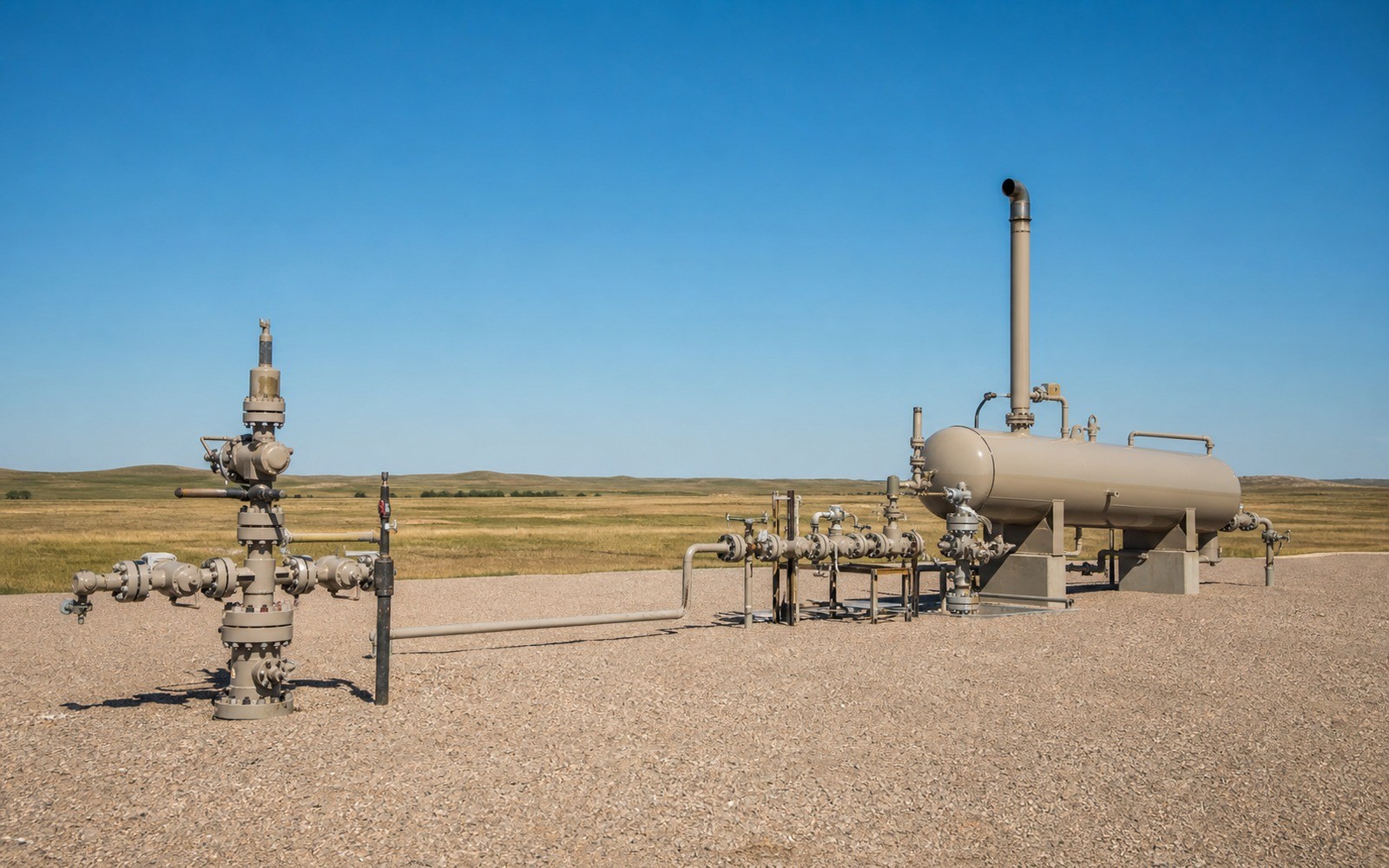
Garner sits out on the western flank of the Barnett Shale, where the play runs thinner and drilling density never matched the core counties to the east.
Parker County saw its share of Barnett activity in the mid-2000s, but wells out here tend to be more spread out than the dense pad drilling closer to Fort Worth. That flank position matters for value, since flank wells generally carry lower average production per lateral foot than core-area wells.
Garner is a small, unincorporated community without its own municipal government, and most of the surrounding land is still working cattle and hay country. That rural character has kept development pressure low, so the mineral estate here hasn't seen the ownership churn a fast-growing suburb would create.
Flank acreage versus core acreage
Operators talk about the Barnett in terms of core and flank because rock quality and thermal maturity change as you move west and south from the Fort Worth Basin's sweet spot. Garner sits closer to the flank, which typically means lower gas volumes per well but also often less depletion pressure from tightly spaced offset wells.
What we check in Parker County
We confirm your deed through the Parker County Clerk and match it to whatever unit the Railroad Commission has on file for your tract. Rural Parker County parcels sometimes carry older survey descriptions, and we sort those out as part of the title check before quoting.
Selling a flank interest
A flank-area interest is still a real asset with real value, priced against its own production record rather than compared to a core Tarrant County well. If you're deciding between holding a modest, aging royalty stream or taking a lump sum now, we'll walk through both sides with you plainly.
Place the county tract on the basin board
The local file should tie the county record and legal description to the relevant basin, formation, field, unit, wells, permits, and operator position. A surface address can help find the tract, but it does not establish the mineral interest or prove participation in nearby development.
Read the local well vintages
Producing wells, shut-in wells, intermittent wells, newer laterals, older vertical wells, nearby completions, and general operator acreage in the surrounding area belong in separate evidence lanes. The paid property history carries more weight than a rig or permit that does not include the subject acreage.
Reconcile the ownership line
Deeds, reservations, leases, assignments, probate or trust records, division orders, unit documents, payor records, and statements should all point to the same local interest. Acreage, fractions, burdens, depths, products, and the paid decimal stay open until the supporting records agree.
Compare the deed and closing terms
A written offer for the tract should state the exact interest conveyed, effective date, receivables, reservations, title standard, curative responsibility, adjustment rights, payment conditions, and recording sequence. A strong headline number can still carry a broad deed or a weak closing condition.
Texas Owner Questions
Why is your Garner royalty smaller than what your cousin gets in Fort Worth?
Flank-area wells in western Parker County typically produce less gas per lateral than core Barnett wells closer to Fort Worth. It's a rock quality difference, not a sign anything is wrong.
Is there active drilling near Garner now?
New Barnett drilling has been limited for years across the play. We check current permit activity near your tract before quoting so the offer reflects the real picture.
How do you handle rural legal descriptions?
We're used to older survey and abstract-based descriptions common in Parker County and can match them to the correct unit without extra work on your part.
Is there a minimum size interest you'll consider in a rural area like this?
No, we evaluate interests of any size in Garner and elsewhere in Parker County, based on your actual decimal share of the producing unit.