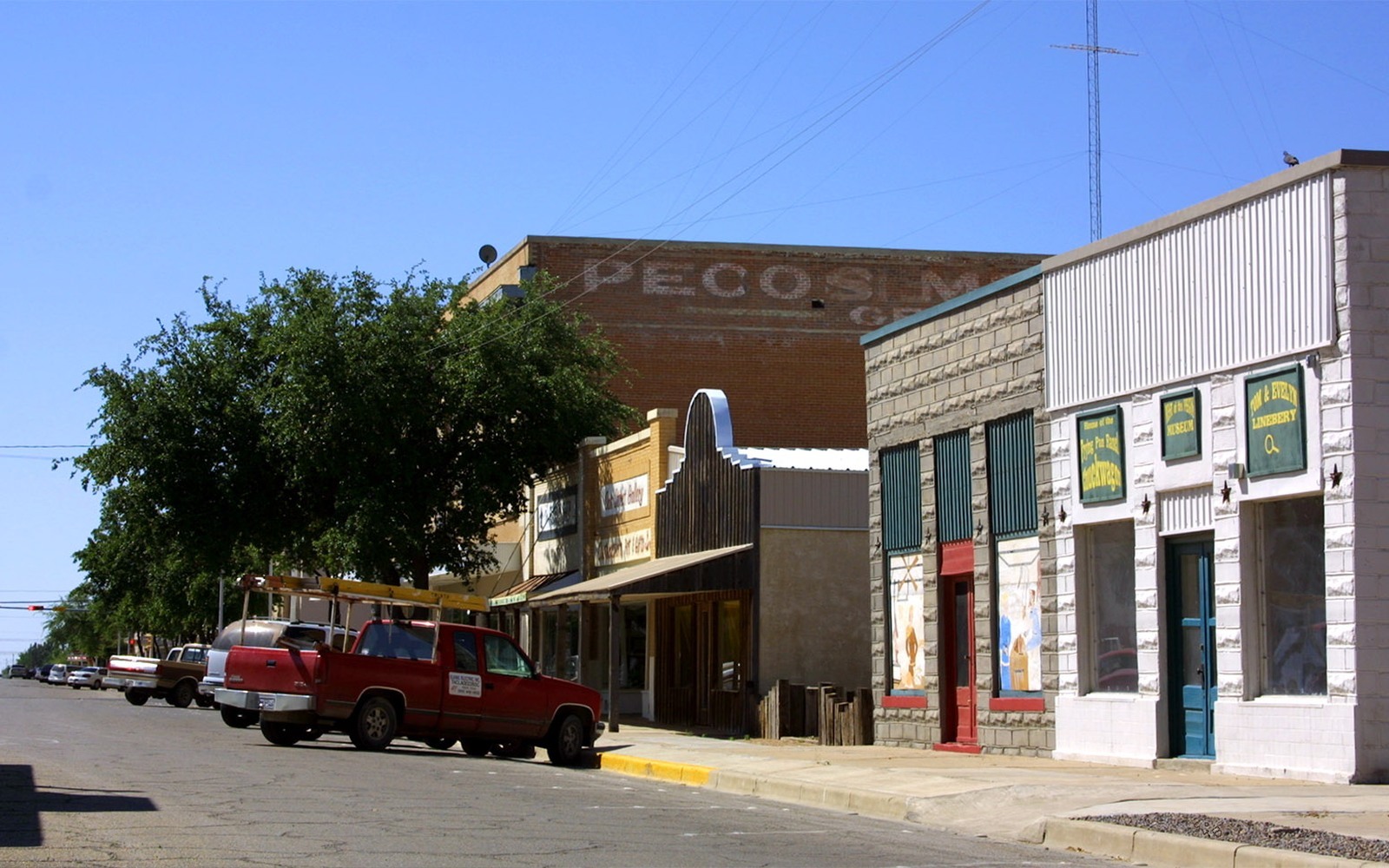
Pecos has been an oil town since the cantaloupe fields gave way to derricks, and the county courthouse here still handles some of the busiest drilling paperwork in the Delaware Basin.
Reeves County, with Pecos as its seat, sits at the core of the Delaware Basin's most heavily drilled acreage. Wolfcamp and Bone Spring horizontal wells cover large stretches of the county, and mineral ownership around town ranges from long-held family ranch interests to smaller fractional shares tied to old townsite lots.
Reeves County's Development Density
Few counties in Texas have seen as much sustained Delaware Basin drilling as Reeves. Multi-well pads targeting several stacked benches are common across the county, which means production data for comparable tracts is usually available when we're valuing your interest.
That density cuts toward higher near-term value for most Pecos-area interests, but it also means the offer should reflect real, current well data rather than a generic basin estimate.
Old Townsite Lots and Fractional Minerals
Not every Reeves County mineral interest comes from a large ranch. Some trace back to small town lots platted decades ago, with mineral reservations that got forgotten as the surface changed hands. Those interests are often small fractions of a pooled unit, but they're still real and still sellable.
We pull the Reeves County Clerk's record for your specific tract to confirm the chain before quoting.
Why We Check Nearby Permits First
Given how active Reeves County stays, a permit filed on an adjacent section can move your interest's value before a rig ever shows up. We check that activity for your specific unit as a standard part of every offer.
If your tract sits in a quieter stretch of the county, we'll tell you that too, rather than pricing as if every acre here is under the same pressure.
Place the county tract on the basin board
The local file should tie the county record and legal description to the relevant basin, formation, field, unit, wells, permits, and operator position. A surface address can help find the tract, but it does not establish the mineral interest or prove participation in nearby development.
Read the local well vintages
Producing wells, shut-in wells, intermittent wells, newer laterals, older vertical wells, nearby completions, and general operator acreage in the surrounding area belong in separate evidence lanes. The paid property history carries more weight than a rig or permit that does not include the subject acreage.
Reconcile the ownership line
Deeds, reservations, leases, assignments, probate or trust records, division orders, unit documents, payor records, and statements should all point to the same local interest. Acreage, fractions, burdens, depths, products, and the paid decimal stay open until the supporting records agree.
Compare the deed and closing terms
A written offer for the tract should state the exact interest conveyed, effective date, receivables, reservations, title standard, curative responsibility, adjustment rights, payment conditions, and recording sequence. A strong headline number can still carry a broad deed or a weak closing condition.
Texas Owner Questions
Is Reeves County still actively being drilled?
Large parts of the county continue to see multi-well pad development. We check current permit and completion data for your specific section before making an offer.
Your interest comes from an old town lot, not a ranch. Is it worth anything?
Often, yes, if the lot's mineral estate was pooled into a larger producing unit. We check the underlying unit, not only the size of the original lot.
How quickly can a Pecos-area sale close?
Once we confirm title through the Reeves County Clerk's office, most sales close within a few weeks.
What if you are not sure whether your interest is mineral rights or just royalty?
We review your deed language to determine which you hold. The two are valued and structured differently, and we'll explain the distinction before making an offer.