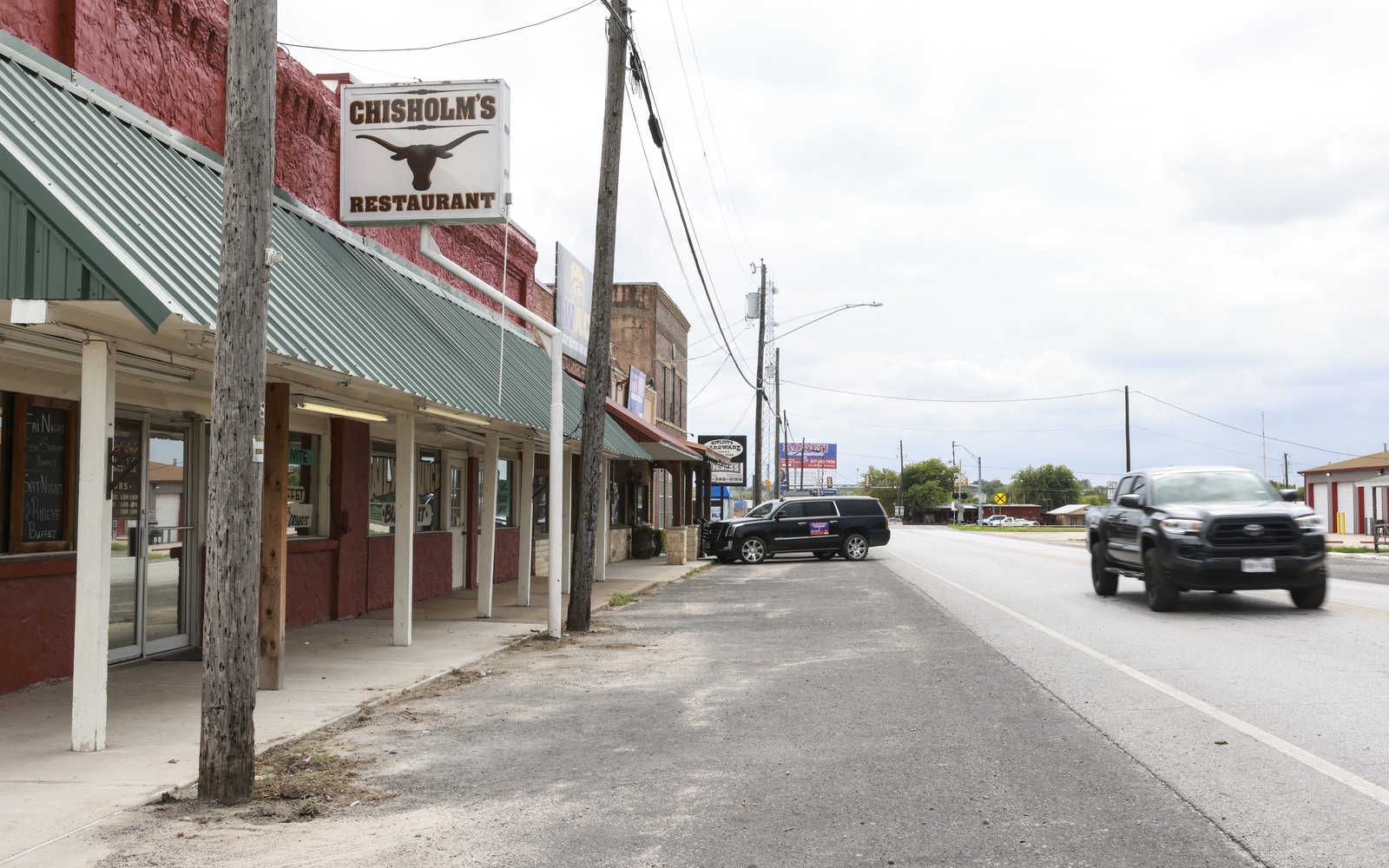
Godley sits in southern Tarrant and northern Johnson County ranch country, part of the Barnett play's push south out of the Fort Worth core in the mid-2000s.
Chesapeake and other operators drilled hard through this stretch of Johnson County during the boom years, working land that had mostly been cattle and hay ground for generations before the shale rush. If you own minerals near Godley, they're most likely tied to one of those mid-2000s units.
Godley has stayed a small town even as the DFW metro has crept closer, and a lot of the surrounding acreage is still actively ranched. That's kept ownership more stable here than in areas that saw heavy residential development.
Reading a Johnson County royalty statement
Godley-area wells are now well into their decline years, and a small, steady check today is the normal shape of a mature Barnett well's tail production. We look at the trend over the last several statements, not a single high or low month, to understand where the well actually stands.
Title through the Johnson County Clerk
We pull your deed and prior transfers from the Johnson County Clerk's office and match your legal description to the pooled unit on file with the Railroad Commission. Rural tracts here sometimes have minerals split off from a surface sale decades back, which we account for in the title review.
What owners in Godley usually want to know
The most common question we get is simply what the interest is worth today versus letting it ride. We give you a number based on actual production and current pricing, then it's your call whether a lump sum makes more sense than continuing to collect a shrinking royalty.
Place the county tract on the basin board
The local file should tie the county record and legal description to the relevant basin, formation, field, unit, wells, permits, and operator position. A surface address can help find the tract, but it does not establish the mineral interest or prove participation in nearby development.
Read the local well vintages
Producing wells, shut-in wells, intermittent wells, newer laterals, older vertical wells, nearby completions, and general operator acreage in the surrounding area belong in separate evidence lanes. The paid property history carries more weight than a rig or permit that does not include the subject acreage.
Reconcile the ownership line
Deeds, reservations, leases, assignments, probate or trust records, division orders, unit documents, payor records, and statements should all point to the same local interest. Acreage, fractions, burdens, depths, products, and the paid decimal stay open until the supporting records agree.
Compare the deed and closing terms
A written offer for the tract should state the exact interest conveyed, effective date, receivables, reservations, title standard, curative responsibility, adjustment rights, payment conditions, and recording sequence. A strong headline number can still carry a broad deed or a weak closing condition.
Texas Owner Questions
Your family has owned this ranch land near Godley for decades. Do you still own the minerals?
Often yes, unless a prior generation sold or leased them separately. We check the full deed history to confirm current ownership before quoting.
How much does the well's age affect the offer?
Significantly. An older, declining well is priced against its remaining reserves and current trend, not its original production numbers from years ago.
Can you sell only part of your interest?
Yes, partial sales are possible in some cases. We can discuss options if you'd rather keep a portion and sell the rest.
What's the fastest way to get a real number, not only a guess?
Send us a recent royalty statement or your deed and we'll research your specific well's production before quoting, usually within a few days.