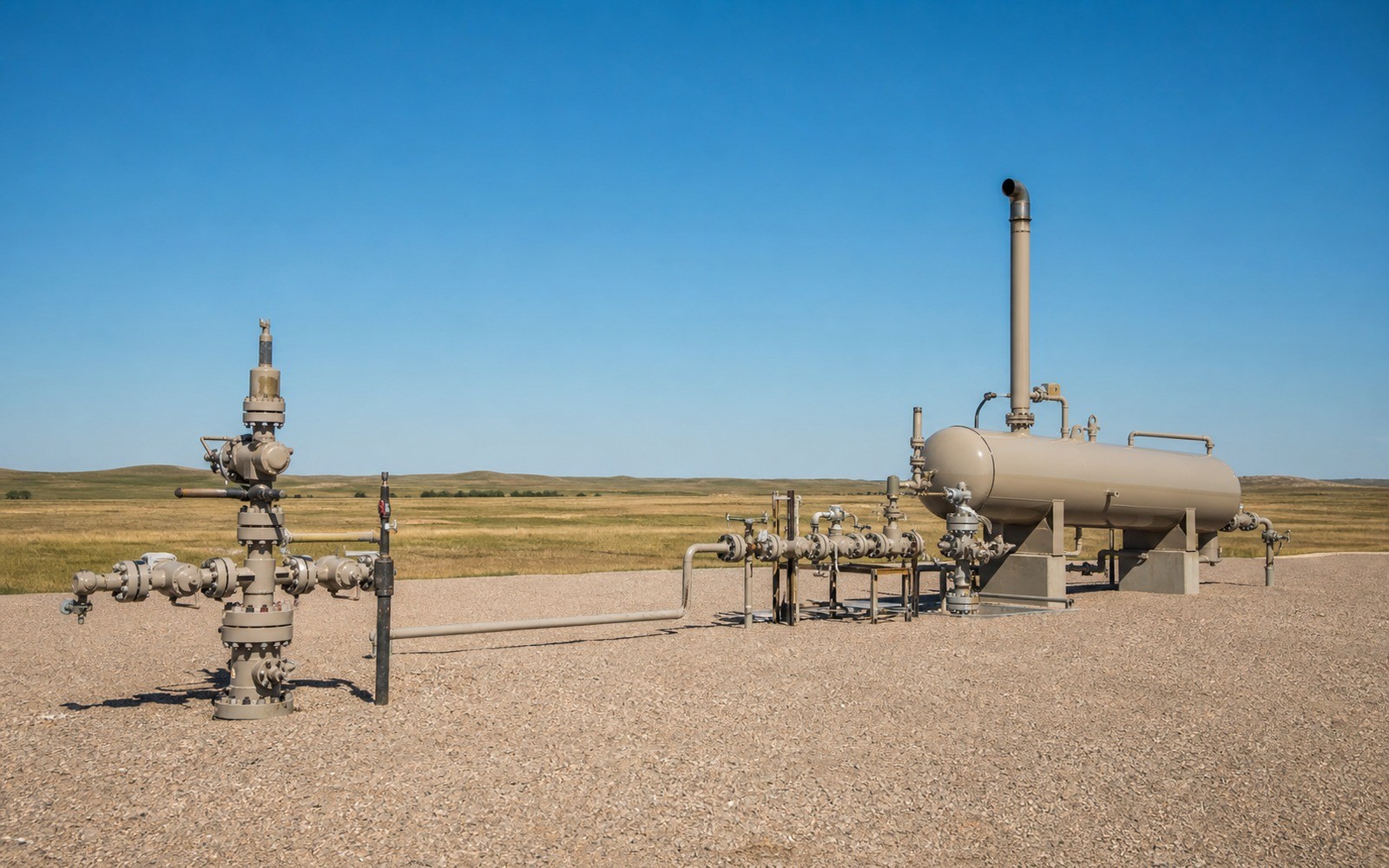
Grand Prairie straddles the line between Tarrant and Dallas counties, and most of the mineral activity here sits on the Tarrant side of the Barnett fairway.
Drilling around Grand Prairie ramped up in the mid-2000s as operators worked west out of the Fort Worth core toward Mid-Cities acreage near the DFW corridor. A fair number of these wells were drilled from pad sites set back from residential streets, with laterals running under blocks of homes that came later. If you hold a mineral interest here, it likely sits inside a pooled unit that's been in place a long time.
The unit, not the address, decides your interest
Because Barnett wells are horizontal, the well's surface location often has nothing to do with where your mineral acreage falls. Your interest is determined by the pooled unit boundary filed with the Railroad Commission, which can pull acreage from several original tracts. We start any offer by confirming your net mineral acres inside that specific unit, not by guessing off your property address.
Fractional interests are the norm, not the exception
Original Grand Prairie land grants and farm tracts got divided many times over through sales and inheritance before the shale wells ever went in. It's common for an owner here to hold something like a sixty-fourth or smaller of the minerals under a given unit. That doesn't make the interest worthless, it just means the offer reflects a small slice of a well's total remaining value, priced fairly against your actual decimal share.
What we check before we quote
We pull your deed and any transfers recorded with the Tarrant County Clerk, match your legal description to the RRC unit, and review recent production and pricing on the well or wells that unit covers. That gives us a number based on where the well actually is in its life, not a guess.
Place the county tract on the basin board
The local file should tie the county record and legal description to the relevant basin, formation, field, unit, wells, permits, and operator position. A surface address can help find the tract, but it does not establish the mineral interest or prove participation in nearby development.
Read the local well vintages
Producing wells, shut-in wells, intermittent wells, newer laterals, older vertical wells, nearby completions, and general operator acreage in the surrounding area belong in separate evidence lanes. The paid property history carries more weight than a rig or permit that does not include the subject acreage.
Reconcile the ownership line
Deeds, reservations, leases, assignments, probate or trust records, division orders, unit documents, payor records, and statements should all point to the same local interest. Acreage, fractions, burdens, depths, products, and the paid decimal stay open until the supporting records agree.
Compare the deed and closing terms
A written offer for the tract should state the exact interest conveyed, effective date, receivables, reservations, title standard, curative responsibility, adjustment rights, payment conditions, and recording sequence. A strong headline number can still carry a broad deed or a weak closing condition.
Texas Owner Questions
Is your Grand Prairie interest in Tarrant or Dallas County?
It depends on your specific legal description. We confirm the county of record from your deed before running title, since that determines which clerk's office holds your chain.
Your royalty check is under $50 a month. Can you still make an offer?
Yes. Small monthly checks are typical for older Barnett interests. We value the interest against remaining reserves and decline behavior, not the size of a single check.
How fast can this close?
Once title is confirmed and paperwork is signed, most Grand Prairie transactions close in a few weeks.