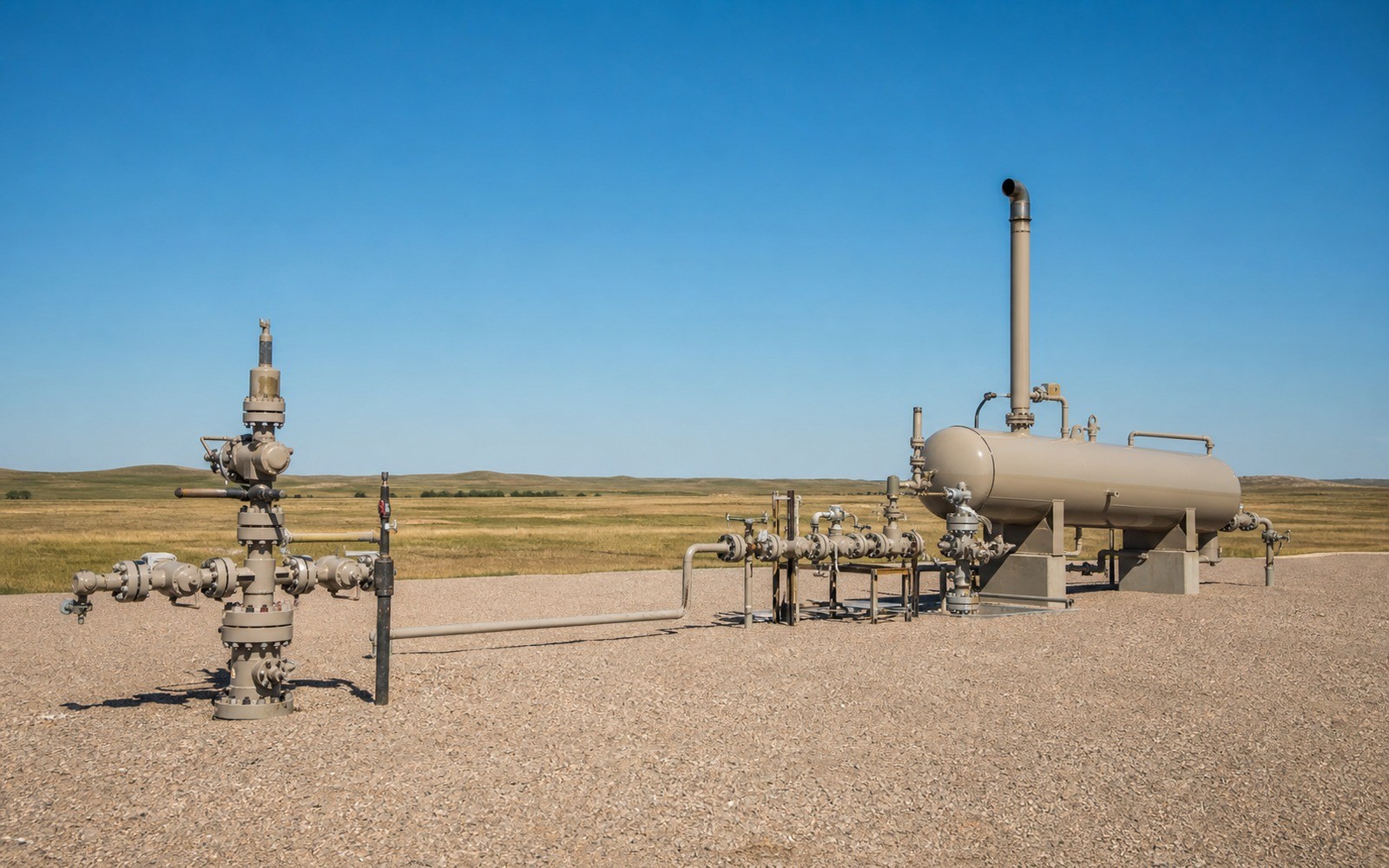
Hillside Acres sits on the outskirts of Laredo in Webb County, within reach of Eagle Ford acreage that's produced steadily since the play's early years.
Webb County was among the more actively drilled counties in the southern part of the Eagle Ford, and land around Laredo, including the Hillside Acres area, carries mineral interests that trace back to ranch tracts subdivided or partially developed as the city expanded outward.
Communities like this one on Laredo's outskirts often started as informal subdivisions on old ranch land, which can mean plat records are thinner than in a formally developed suburb. That's something we account for when tracing title.
Urban edge, rural mineral history
Even as residential growth has reached this part of Webb County, the mineral estate underneath is still governed by units and leases set up well before the current development. Your interest is confirmed against that original unit filing, not against current land use.
Confirming ownership through Webb County
We pull your deed and prior transfers from the Webb County Clerk's office in Laredo and match your legal description to the correct Railroad Commission unit. If your interest passed through inheritance, we'll walk you through what's needed to confirm clean title.
A well down its decline curve
Most Webb County Eagle Ford wells feeding this area are more than a decade old and producing well below their early rates. That's expected, and it's the current trend we price against rather than historical peaks.
Place the county tract on the basin board
The local file should tie the county record and legal description to the relevant basin, formation, field, unit, wells, permits, and operator position. A surface address can help find the tract, but it does not establish the mineral interest or prove participation in nearby development.
Read the local well vintages
Producing wells, shut-in wells, intermittent wells, newer laterals, older vertical wells, nearby completions, and general operator acreage in the surrounding area belong in separate evidence lanes. The paid property history carries more weight than a rig or permit that does not include the subject acreage.
Reconcile the ownership line
Deeds, reservations, leases, assignments, probate or trust records, division orders, unit documents, payor records, and statements should all point to the same local interest. Acreage, fractions, burdens, depths, products, and the paid decimal stay open until the supporting records agree.
Compare the deed and closing terms
A written offer for the tract should state the exact interest conveyed, effective date, receivables, reservations, title standard, curative responsibility, adjustment rights, payment conditions, and recording sequence. A strong headline number can still carry a broad deed or a weak closing condition.
Texas Owner Questions
Does being near Laredo's city limits affect your mineral rights?
No, proximity to the city doesn't change your underlying mineral or royalty interest, which is set by the producing unit and your deed.
You are not sure which unit your tract falls in. Can you find out?
Yes, we match your legal description to the correct Railroad Commission unit as part of our evaluation, at no cost to you.
What if your interest hasn't paid in a while?
We check the well's current status and any shut-in periods with the Railroad Commission to understand what that means for your interest's value.
Your plat records seem thin compared to a formal subdivision. Can you still confirm title?
Yes, we're experienced working through informal or older subdivision records common on the outskirts of Laredo.
What's the fastest way to find out what your interest is worth?
Send us a copy of your deed or a recent royalty statement and we'll research the well and your title before giving you a straight number.