Johnson County sits along the southern edge of the Barnett Shale core, and the wells drilled here through the mid to late 2000s are now well into their long production tail.
Cleburne is the county seat, and the district clerk and county clerk's offices there hold the deed records and probate files that determine who actually owns what across the county's mineral estate. Chesapeake and other operators worked Johnson County hard during the Barnett boom, drilling out from the Cleburne and Burleson areas through towns like Godley, Grandview, and Joshua on tracts that had mostly been cattle and hay ground for generations before the shale rush arrived.
The county sits at a transition point in the play, core acreage near the northern edge grading toward flank rock quality farther south, which means production and value both vary more from unit to unit here than in the tightest part of the Barnett fairway around Fort Worth.
Where value stands today
Most Johnson County Barnett wells are fifteen to twenty years into production and generating a fraction of their early-year volumes, which is the expected shape of a mature shale gas well, not a warning sign. We price offers against current production, remaining reserves, and where gas is trading on the strip right now, not against a royalty statement from the well's best year.
How the Barnett developed across Johnson County
Drilling moved south into Johnson County a couple years behind the earliest Newark East activity in Tarrant County, picking up through 2005 and 2006 and continuing into the later stages of the boom as operators chased remaining core acreage. Because of that timing, well vintages here span a wider range than in the original field, and two wells a few miles apart can be on meaningfully different points of the decline curve.
Ownership patterns in the county
A lot of Johnson County mineral ownership traces to working ranches, some still actively run by the same families who owned the surface when drilling started. It's common to find minerals reserved out of a surface sale from decades ago, or an interest split among several heirs after a family patriarch or matriarch passed the land down without a formal partition. Both situations are routine and don't complicate a sale, they just take a little extra title work up front.
Cleburne's role as county seat
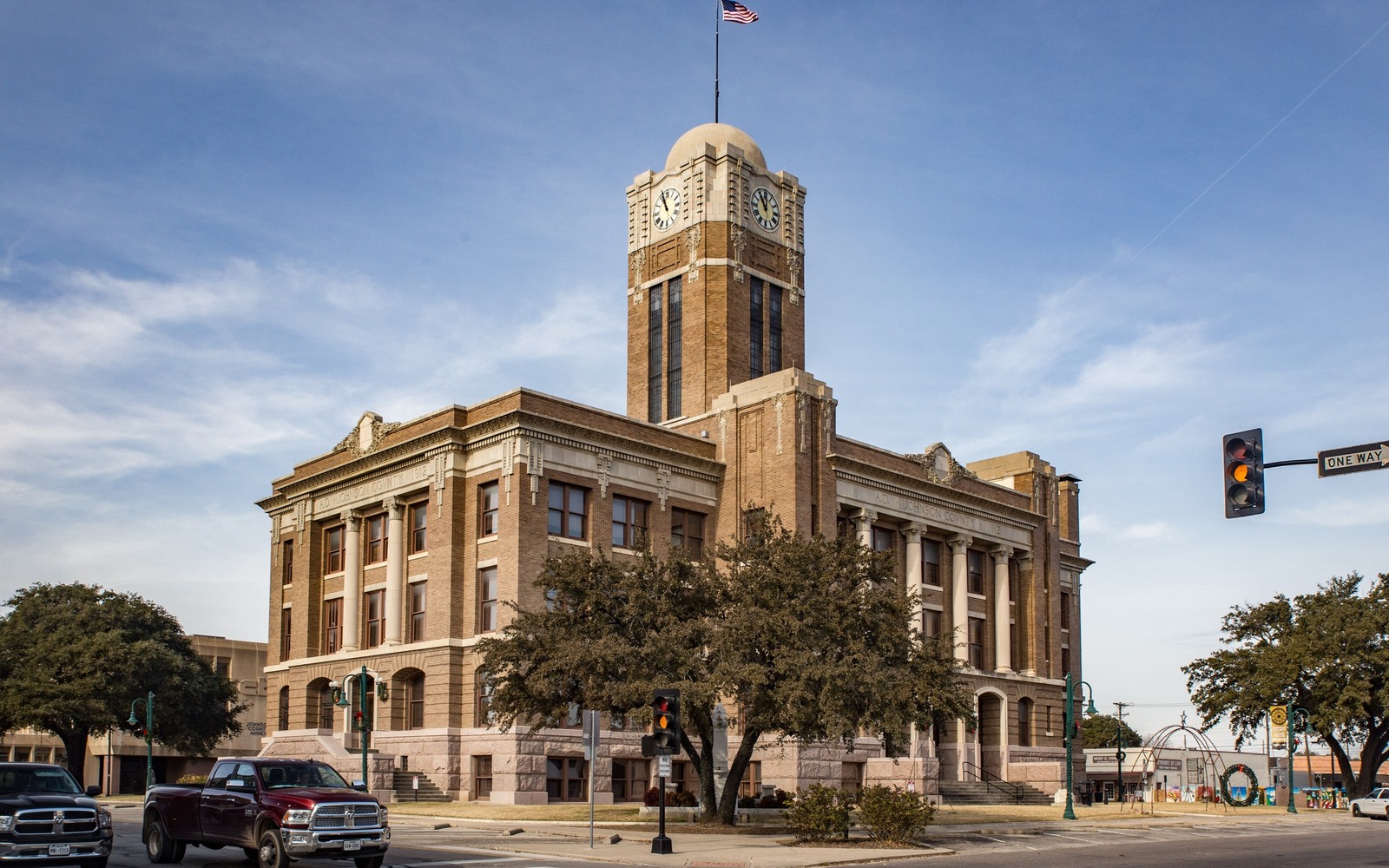
Cleburne has been the Johnson County seat since the 1870s, long before anyone in Texas had heard of the Barnett Shale, and the courthouse there has processed generations of ranch land transfers independent of the oil and gas business. That deep bench of pre-boom records is genuinely useful when we're confirming a chain of title that runs back multiple generations before the first horizontal well was ever drilled.
The town's growth as a Fort Worth-area suburb over the last two decades has run parallel to, but separate from, the mineral estate underneath it. We've found that owners here often don't realize how much their family's original ranch holdings still shape their current royalty interest, since that older land ownership is exactly what the pooled units were centered on.
What courthouse records tell us
The Johnson County Clerk's real property records in Cleburne carry the deed chain, any mineral reservations, and any probate or heirship filings tied to your tract. We pull that record alongside the Railroad Commission's pooled unit filing for your specific well or wells, which together tell us your net mineral acreage and decimal interest before we ever put a number in front of you.
Texas Owner Questions
Where are Johnson County's mineral and deed records kept?
At the Johnson County Clerk's office in Cleburne, the county seat. That's where we start any title search on a Johnson County tract.
Are all Johnson County wells the same age?
No, drilling here spanned several years as operators worked south from the Barnett's original core, so well age and decline stage vary by area. We check your specific well before quoting.
Your family still ranches the surface. Can you sell just the minerals?
Yes, a mineral sale is entirely separate from surface ownership and use. Selling your mineral interest doesn't affect the ranch operation at all.
What if there's no recorded probate for an inherited interest?
We can often work with an affidavit of heirship or help you understand what documentation is needed. We'll tell you plainly what your specific situation requires.
How does flank versus core position affect your Johnson County interest?
Wells closer to the county's northern edge, nearer the Barnett's original core, have generally produced more per well than wells farther south. We evaluate your specific unit's actual production rather than a county-wide average.
Does Cleburne's growth as a suburb change what your minerals are worth?
No, surface growth around Cleburne doesn't change your mineral value, which is based on the well's actual production and current gas pricing.
What's the fastest way to get a real number for your Johnson County interest?
Send us your deed or a recent statement and we'll confirm title and production before giving you a straight offer, usually within a few business days.