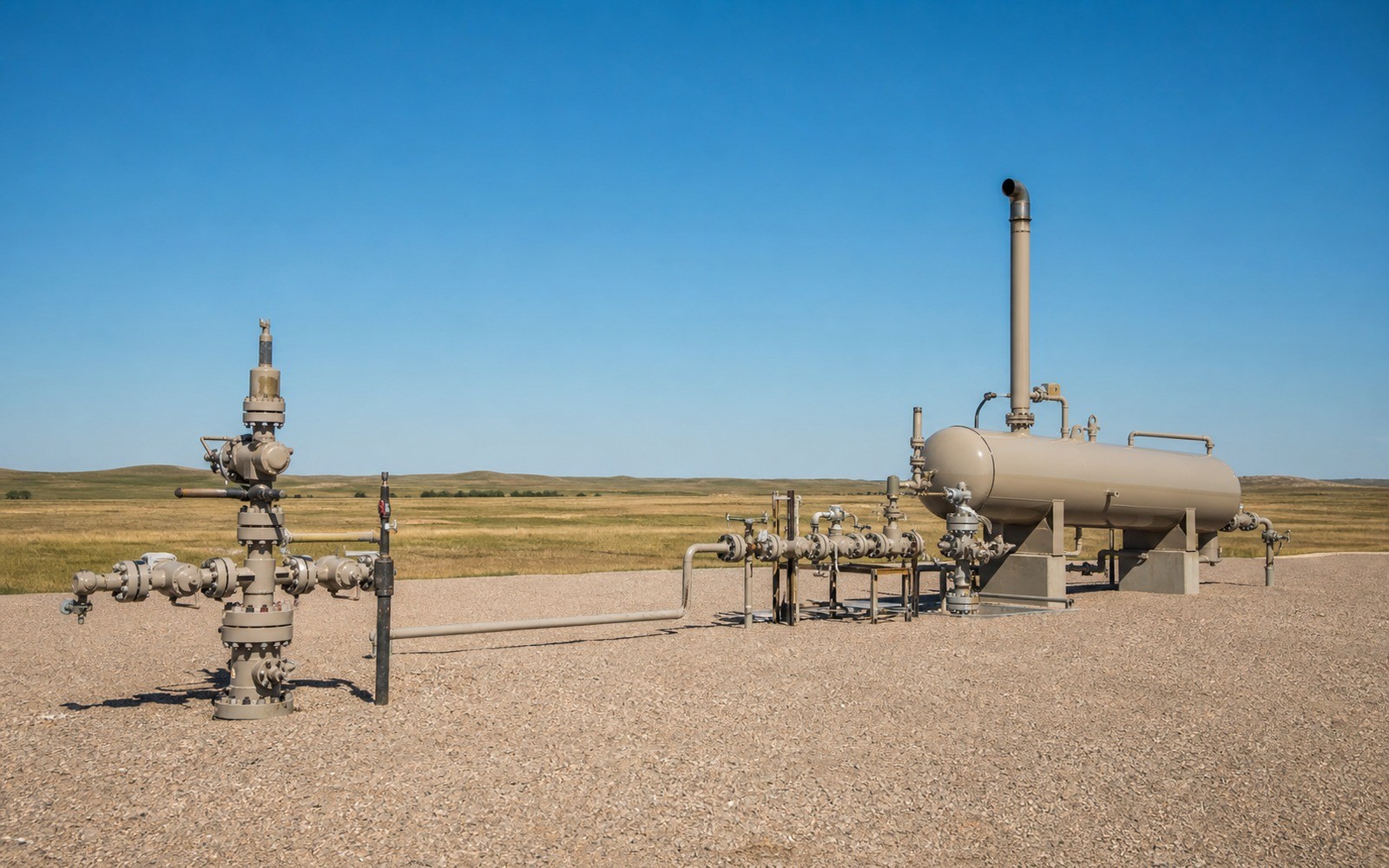
Lake Bridgeport sits on the northwest edge of the Barnett core, where Wise County wells have been quietly producing gas for close to two decades.
Wise County was one of the original Barnett Shale counties, and Lake Bridgeport's lakeside and rural acreage got its share of horizontal development in the years the play expanded northwest from Fort Worth. Owners here are typically holding interests tied to wells that are old by shale standards but still producing on a long tail.
Wise County's Place in the Play
This part of Wise County sits toward the edge rather than the thickest part of the Barnett core, but that doesn't mean the wells here were marginal. Production around Lake Bridgeport has held up reasonably well relative to other flank areas, in part because operators targeted the better rock within local units rather than drilling blanket coverage.
Most acreage here is held by production from wells drilled well over a decade ago, so the decline curve is mature and predictable, which makes it easier to value fairly.
Lake and Ranch Tracts
A lot of property around Lake Bridgeport is recreational or ranch land bought for the lake access rather than farming, and many buyers never gave much thought to whether minerals came with the deed. Others are longtime ranching families whose minerals predate the lake development entirely. Either way, the mineral ownership is usually separate from what shows up on a simple property tax bill, so we check the actual deed chain before quoting.
Making an Offer on Mature Production
Once ownership and unit are confirmed, we price your interest against the well's actual decline curve rather than an outdated boom-era estimate. If the number works for you, we handle the deed and Wise County filing directly.
Place the county tract on the basin board
The local file should tie the county record and legal description to the relevant basin, formation, field, unit, wells, permits, and operator position. A surface address can help find the tract, but it does not establish the mineral interest or prove participation in nearby development.
Read the local well vintages
Producing wells, shut-in wells, intermittent wells, newer laterals, older vertical wells, nearby completions, and general operator acreage in the surrounding area belong in separate evidence lanes. The paid property history carries more weight than a rig or permit that does not include the subject acreage.
Reconcile the ownership line
Deeds, reservations, leases, assignments, probate or trust records, division orders, unit documents, payor records, and statements should all point to the same local interest. Acreage, fractions, burdens, depths, products, and the paid decimal stay open until the supporting records agree.
Compare the deed and closing terms
A written offer for the tract should state the exact interest conveyed, effective date, receivables, reservations, title standard, curative responsibility, adjustment rights, payment conditions, and recording sequence. A strong headline number can still carry a broad deed or a weak closing condition.
Texas Owner Questions
You bought lake property here — do you own the minerals too?
Not always. Minerals are frequently reserved by a prior owner. We check the Wise County deed records to confirm what you actually hold.
Are Wise County wells this old even worth buying?
Yes. Mature wells have a known decline curve, which actually makes valuation more straightforward, not less.
How fast can this close?
Once we confirm title and agree on a number, most Wise County closings move in a matter of weeks.
Does lakefront access change your mineral value?
No. Surface amenities like lake access don't affect subsurface value; that's determined by the well and unit's actual production.