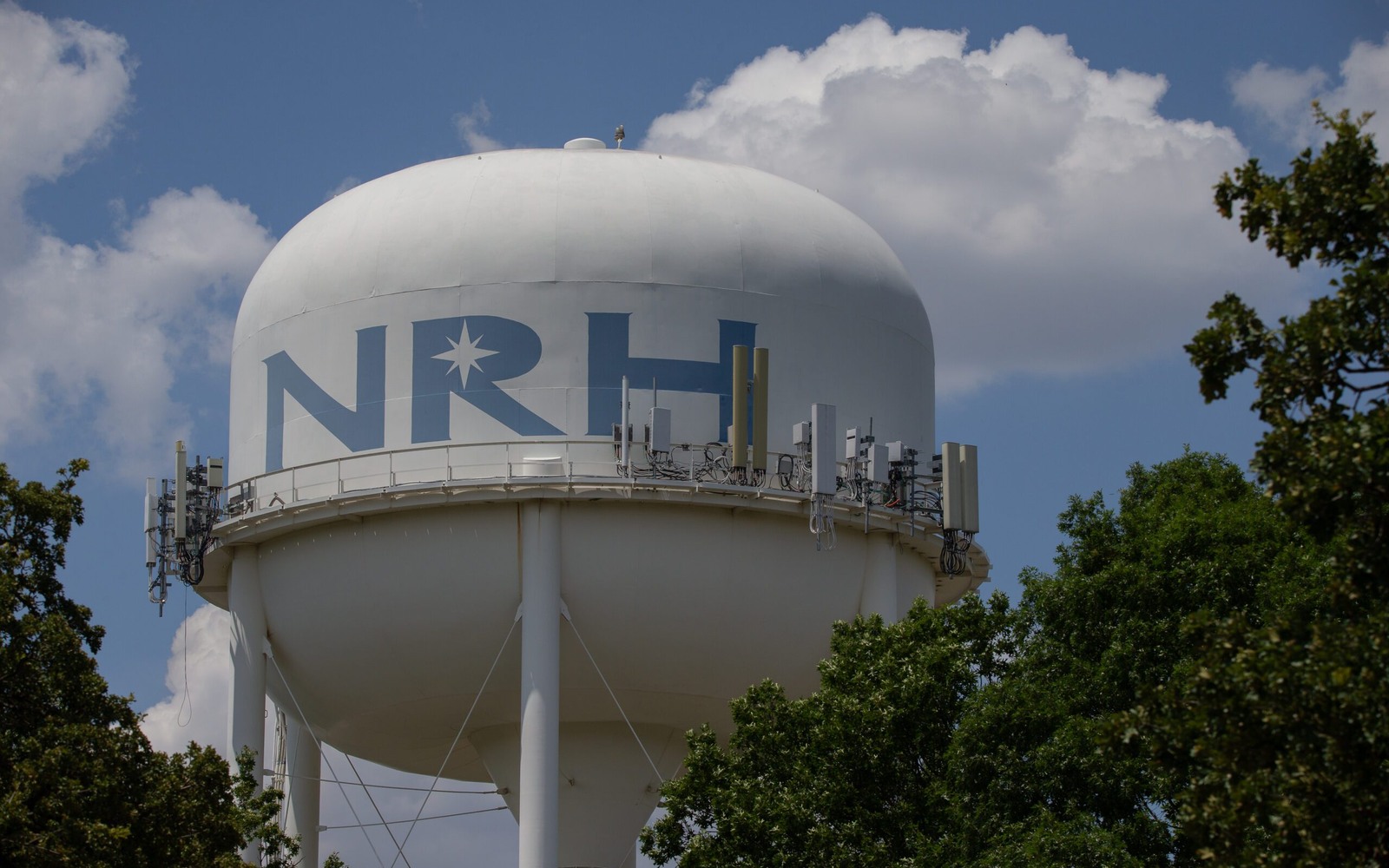
North Richland Hills is fully built out, which means whatever mineral rights exist under it were locked in years ago, before the last vacant lot got a house on it.
North Richland Hills sits within Tarrant County's densely developed stretch of the Barnett Shale, where urban drilling ordinances shaped where and whether operators could actually place a wellbore during the play's active years. Mineral ownership here traces back to land that was farmland or open acreage before the city's mid-century growth, and interests today are often small, fractional shares pooled into large urban units.
Drilling in a Fully Built-Out City
Operators working the Barnett Shale in Tarrant County's incorporated cities had to navigate setback ordinances from homes, schools, and other structures, which meant fewer actual well locations per section than in rural counties, even where many residents held leased mineral interests.
We check whether your specific tract was ever incorporated into an actual producing unit, since urban geography sometimes prevented drilling even where a lease was in place.
Small Fractional Shares in Large Urban Units
Because North Richland Hills is so densely subdivided, a single Barnett Shale unit here can include mineral interests from dozens or even hundreds of separate residential lots, each owner holding a small fraction. We check the total unit size and your specific decimal share before quoting.
These small urban interests are exactly the kind some buyers skip because the math seems too granular. We don't skip them.
Confirming Ownership on Older City Lots
Land that's been subdivided and resold multiple times since it was farmland can have a complicated mineral history, with rights sometimes reserved by an early owner and sometimes conveyed along with each sale. We pull the Tarrant County Clerk's record to confirm your specific lot's status.
If you're not sure whether you hold any mineral interest at all, that's a common starting point, and one we can typically resolve with a quick record search.
Place the county tract on the basin board
The local file should tie the county record and legal description to the relevant basin, formation, field, unit, wells, permits, and operator position. A surface address can help find the tract, but it does not establish the mineral interest or prove participation in nearby development.
Read the local well vintages
Producing wells, shut-in wells, intermittent wells, newer laterals, older vertical wells, nearby completions, and general operator acreage in the surrounding area belong in separate evidence lanes. The paid property history carries more weight than a rig or permit that does not include the subject acreage.
Reconcile the ownership line
Deeds, reservations, leases, assignments, probate or trust records, division orders, unit documents, payor records, and statements should all point to the same local interest. Acreage, fractions, burdens, depths, products, and the paid decimal stay open until the supporting records agree.
Compare the deed and closing terms
A written offer for the tract should state the exact interest conveyed, effective date, receivables, reservations, title standard, curative responsibility, adjustment rights, payment conditions, and recording sequence. A strong headline number can still carry a broad deed or a weak closing condition.
Texas Owner Questions
Is there actually a well near your home in North Richland Hills?
It depends on your specific location and unit. We check Railroad Commission records to confirm whether your tract is pooled into an actual producing unit, since city ordinances limited where wells could physically be placed.
How small can a fractional interest be and still be worth selling?
We routinely buy very small fractional shares in large urban units. Send us your information and we'll calculate what your specific decimal share is actually worth.
Your property has changed hands several times since it was farmland. How do you trace the minerals?
We pull the full deed history from the Tarrant County Clerk's office to determine at what point, if any, minerals were reserved or conveyed separately from the surface.
Do city drilling ordinances affect the value of your interest?
They can, since setback requirements affected whether and where wells were actually drilled. We factor that into confirming whether your interest is tied to real production.