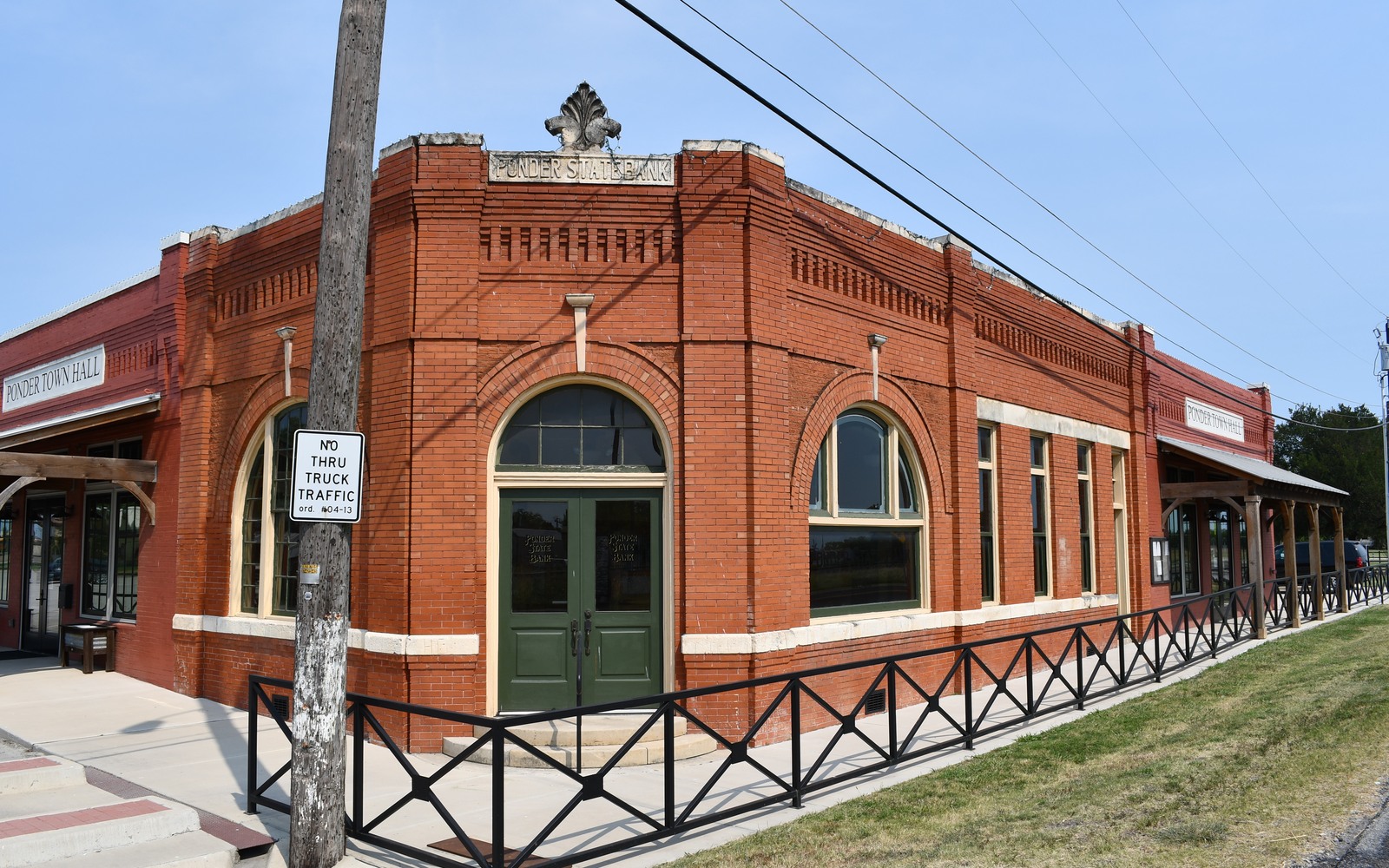
Ponder has stayed a small town while the rest of Denton County exploded around it, and the mineral records here still reflect a mostly rural, ranch-held county.
Ponder sits in a still-rural stretch of Denton County, over Barnett Shale acreage that saw active horizontal drilling during the play's peak years. Unlike the county's fast-growing suburbs to the east, land around Ponder has largely stayed in family ranch and farm hands, which tends to make mineral title cleaner to trace.
A Rural Pocket in a Fast-Growing County
While much of Denton County has filled in with subdivisions and master-planned communities, the acreage around Ponder has stayed largely agricultural, which means mineral rights here are more likely to have remained with the original ranching families rather than being severed off during residential platting.
That's generally an advantage when tracing title, fewer transactions typically means a cleaner chain back to the current owner.
Barnett Production and Current Well Status
Wells drilled near Ponder during the Barnett Shale's active development years are, in most cases, well into a mature decline by now. We check current production for the specific unit your tract is pooled into before quoting.
If there's been no recent permit activity nearby, that's typical for this part of the county at this stage of the play, and we'll price honestly against the well's remaining production.
Selling While the Ranch Stays in the Family
Plenty of Ponder-area families want to keep the ranch running while cashing out a mineral interest that's become more of a small, unpredictable check than a meaningful income source. That's a straightforward transaction, since mineral and surface ownership are legally separate.
We can close on your individual share even if other family members hold onto theirs.
Place the county tract on the basin board
The local file should tie the county record and legal description to the relevant basin, formation, field, unit, wells, permits, and operator position. A surface address can help find the tract, but it does not establish the mineral interest or prove participation in nearby development.
Read the local well vintages
Producing wells, shut-in wells, intermittent wells, newer laterals, older vertical wells, nearby completions, and general operator acreage in the surrounding area belong in separate evidence lanes. The paid property history carries more weight than a rig or permit that does not include the subject acreage.
Reconcile the ownership line
Deeds, reservations, leases, assignments, probate or trust records, division orders, unit documents, payor records, and statements should all point to the same local interest. Acreage, fractions, burdens, depths, products, and the paid decimal stay open until the supporting records agree.
Compare the deed and closing terms
A written offer for the tract should state the exact interest conveyed, effective date, receivables, reservations, title standard, curative responsibility, adjustment rights, payment conditions, and recording sequence. A strong headline number can still carry a broad deed or a weak closing condition.
Texas Owner Questions
Is land around Ponder still mostly rural, or is development creeping in?
The area has stayed largely agricultural compared to Denton County's faster-growing eastern suburbs, though we always check current conditions for your specific tract.
Will selling your minerals affect your family's ranch operation?
No. Mineral and surface estates are separate under Texas law. Selling your mineral interest doesn't affect ranching or grazing on the land.
How mature is Barnett Shale production near Ponder at this point?
Most wells here were drilled during the play's peak years and are now well into a long, mature decline. We price against your well's actual current output.
Can you sell your portion of a family ranch's minerals without the rest of the family selling too?
In most cases, yes. Each co-owner typically holds an individually sellable fractional interest.