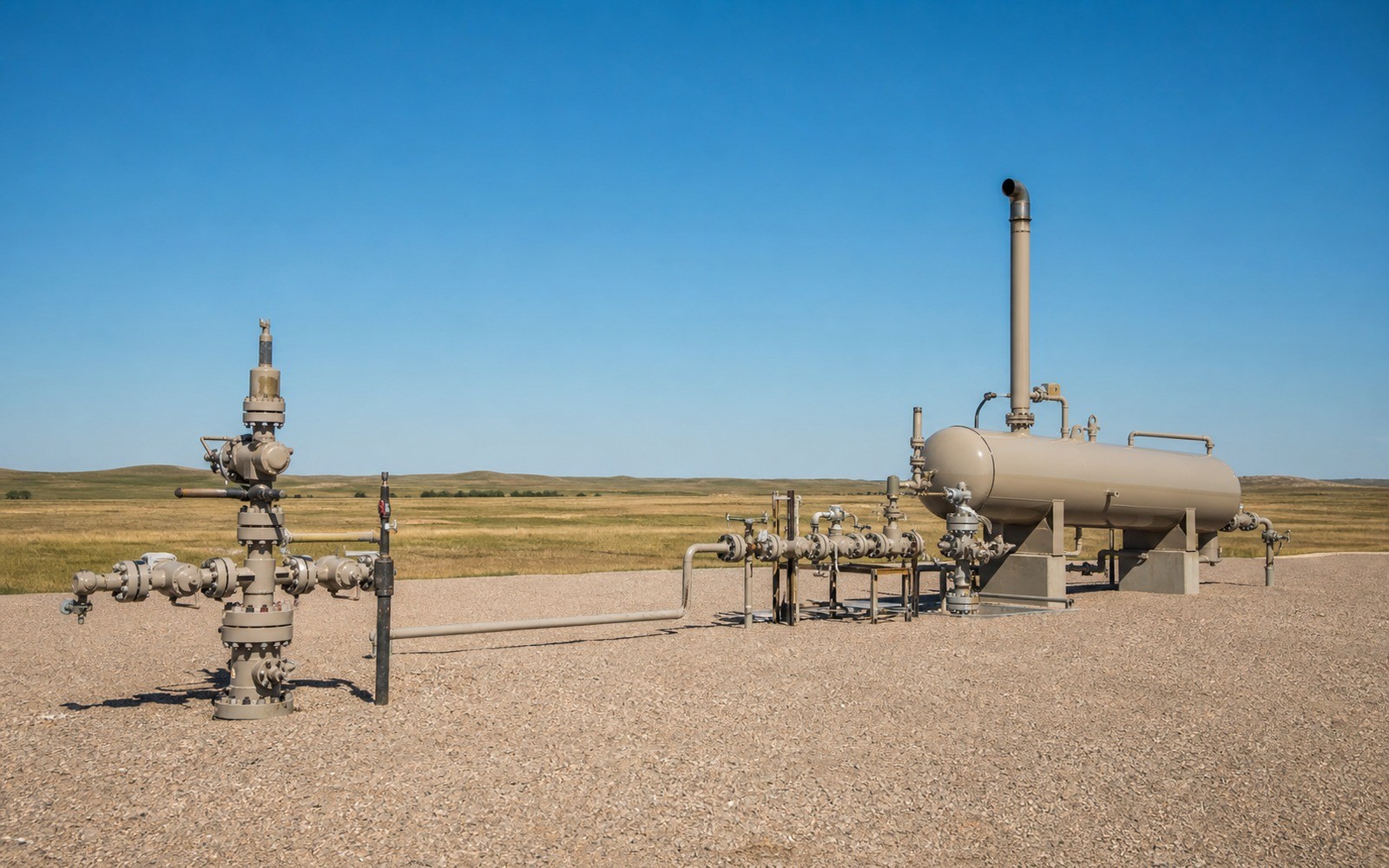
Pyote sits in Ward County on the northern shelf of the Delaware Basin, where Wolfcamp and Bone Spring horizontal drilling reshaped mineral values over the last decade.
Ward County has been an oil county since the 1920s, but what's under Pyote today looks nothing like the shallow vertical fields the old-timers worked. Operators are stacking multiple horizontal benches under the same section now — Wolfcamp, Bone Spring, sometimes both — which means a single mineral tract can sit under two or three different well units instead of one.
That stacked development is exactly why an old lease or a decades-untouched deed from this area is worth a fresh look. Production and pricing here have moved a long way from whatever number a grandparent's royalty check showed in 1985.
What's actually producing under Pyote
This part of Ward County has seen steady Delaware Basin horizontal activity, with operators drilling multi-well pads targeting Wolfcamp A and B and Bone Spring intervals. If your tract sits under one of those units, you may be pooled into production you've never gotten a statement explaining clearly. We pull the operator's filings and match them to your tract before pricing anything.
Old vertical leases versus new horizontal units
A lot of title in Ward County still traces to leases signed for shallow vertical wells decades ago. Those leases mostly expired or held small units. Today's horizontal pooling can cover 640 or even 1,280 acres at a time, which changes both who's included and how the interest should be valued — pooled acreage isn't priced the same as an unpooled fee mineral tract.
Records at the Ward County Courthouse in Monahans
We run the deed and probate chain out of Monahans before we make an offer, so we're not guessing at your net mineral acreage. If there's a break in the chain — an unprobated estate, a name change, a missing heir — we'll tell you what it takes to clear it.
Place the county tract on the basin board
The local file should tie the county record and legal description to the relevant basin, formation, field, unit, wells, permits, and operator position. A surface address can help find the tract, but it does not establish the mineral interest or prove participation in nearby development.
Read the local well vintages
Producing wells, shut-in wells, intermittent wells, newer laterals, older vertical wells, nearby completions, and general operator acreage in the surrounding area belong in separate evidence lanes. The paid property history carries more weight than a rig or permit that does not include the subject acreage.
Reconcile the ownership line
Deeds, reservations, leases, assignments, probate or trust records, division orders, unit documents, payor records, and statements should all point to the same local interest. Acreage, fractions, burdens, depths, products, and the paid decimal stay open until the supporting records agree.
Compare the deed and closing terms
A written offer for the tract should state the exact interest conveyed, effective date, receivables, reservations, title standard, curative responsibility, adjustment rights, payment conditions, and recording sequence. A strong headline number can still carry a broad deed or a weak closing condition.
Texas Owner Questions
Is your Pyote-area interest in the Wolfcamp or Bone Spring?
Could be either, or both if it's pooled into a stacked unit. We identify the exact formation and well from operator filings before quoting a price.
Your royalty checks stopped a few years ago. Is your interest worthless?
Not necessarily. Wells decline and sometimes get shut in for a workover or offset drilling. We check current operator status rather than assuming a dead well.
Do you buy non-producing minerals near active Delaware Basin drilling?
Yes, undeveloped tracts near active units carry value based on nearby permit and production activity, and we price them against that, not a flat guess.
How fast can this close?
Once title is confirmed, most Ward County closings take a few weeks, depending on how clean the deed chain is.