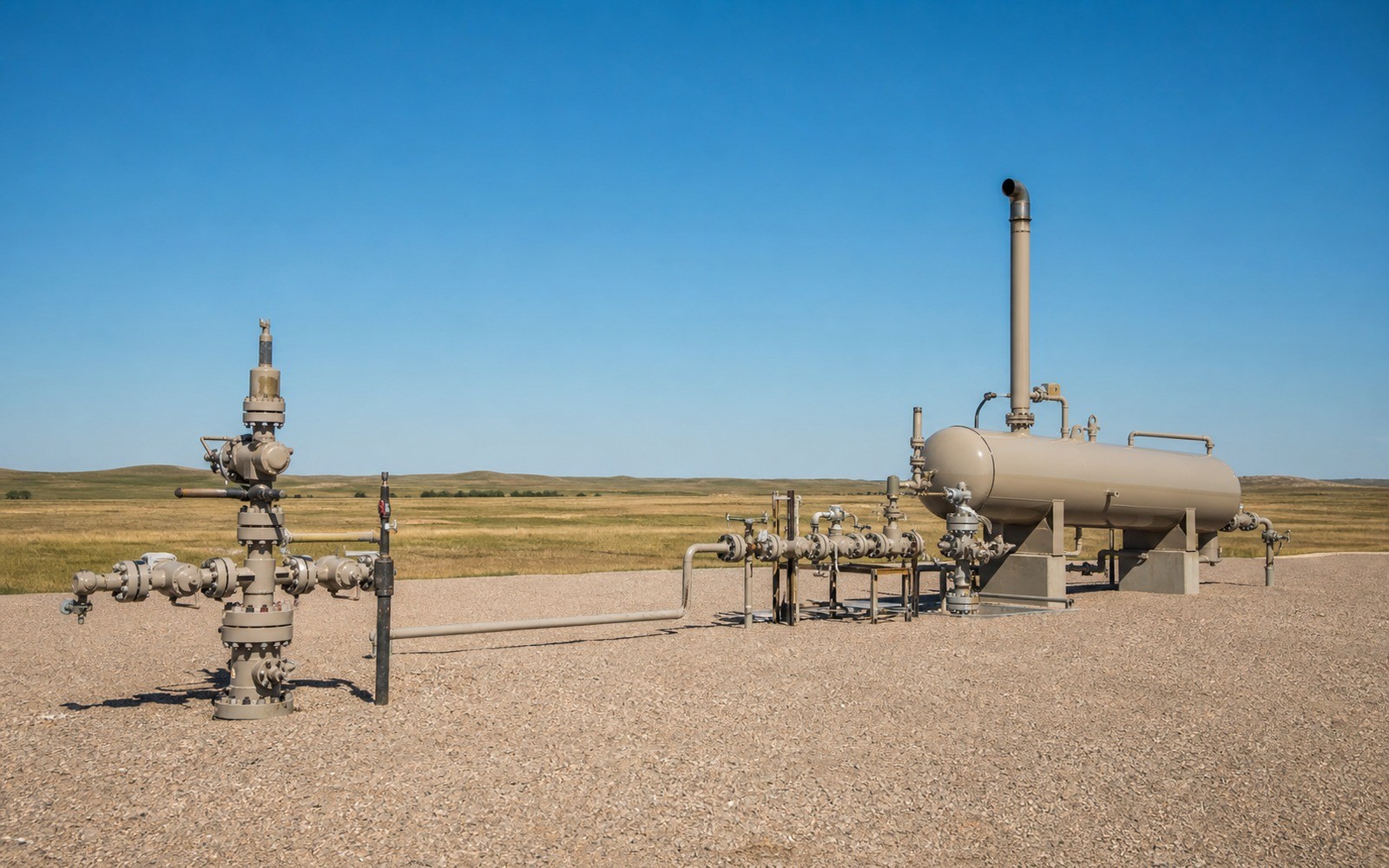
San Carlos I is one of several small colonia subdivisions southwest of Laredo where residential lots were platted decades after the underlying ranch tract had already had its minerals reserved.
When ranch land in this part of Webb County was subdivided into small residential lots to form colonias like San Carlos I, the developer or original landowner typically kept the mineral rights rather than passing them along with the surface. That means most residents of San Carlos I today don't own the minerals under their own lots, and most mineral owners we deal with here are descendants of the original ranching family, not current residents.
Because the surface was split into so many small lots, tracing a mineral interest back to the original undivided ranch tract takes care — we work from the reservation deed forward rather than from the current lot lines, which usually don't match how the mineral estate itself is described.
Eagle Ford position on this ground
This part of Webb County sits toward the western edge of the play, where development has been more selective than in the core counties further east. We check current permit and production activity specific to the section your tract falls in before pricing it.
Working from the original reservation, not the lot plat
Colonia lot descriptions rarely match the legal description used in the original mineral reservation. We trace back to that reservation deed at the Webb County Clerk's office and confirm your fraction from there, independent of which residential lot the colonia plat assigned.
Small fractional interests are typical
Given how many heirs an original reservation here has usually split among by now, most interests we buy in San Carlos I are small — often well under a full net mineral acre — and we buy them at that scale routinely.
Place the county tract on the basin board
The local file should tie the county record and legal description to the relevant basin, formation, field, unit, wells, permits, and operator position. A surface address can help find the tract, but it does not establish the mineral interest or prove participation in nearby development.
Read the local well vintages
Producing wells, shut-in wells, intermittent wells, newer laterals, older vertical wells, nearby completions, and general operator acreage in the surrounding area belong in separate evidence lanes. The paid property history carries more weight than a rig or permit that does not include the subject acreage.
Reconcile the ownership line
Deeds, reservations, leases, assignments, probate or trust records, division orders, unit documents, payor records, and statements should all point to the same local interest. Acreage, fractions, burdens, depths, products, and the paid decimal stay open until the supporting records agree.
Compare the deed and closing terms
A written offer for the tract should state the exact interest conveyed, effective date, receivables, reservations, title standard, curative responsibility, adjustment rights, payment conditions, and recording sequence. A strong headline number can still carry a broad deed or a weak closing condition.
Texas Owner Questions
You live in San Carlos I. Do you own the minerals under your lot?
Probably not, unless your specific deed included them, which is uncommon in this area. Most colonia lots were sold with the minerals already reserved by the prior owner.
Your interest came from a relative who was part of the original ranching family. How do you confirm it?
We trace the reservation deed forward through every recorded transfer and probate since to confirm your current fraction.
Is there active drilling activity near San Carlos I right now?
It varies by specific tract. We check current Railroad Commission filings for your exact section before discussing value.
What if your family's fraction was never formally recorded after an inheritance?
We can often help resolve that as part of the sale, coordinating with a title company to properly document the transfer before or at closing.