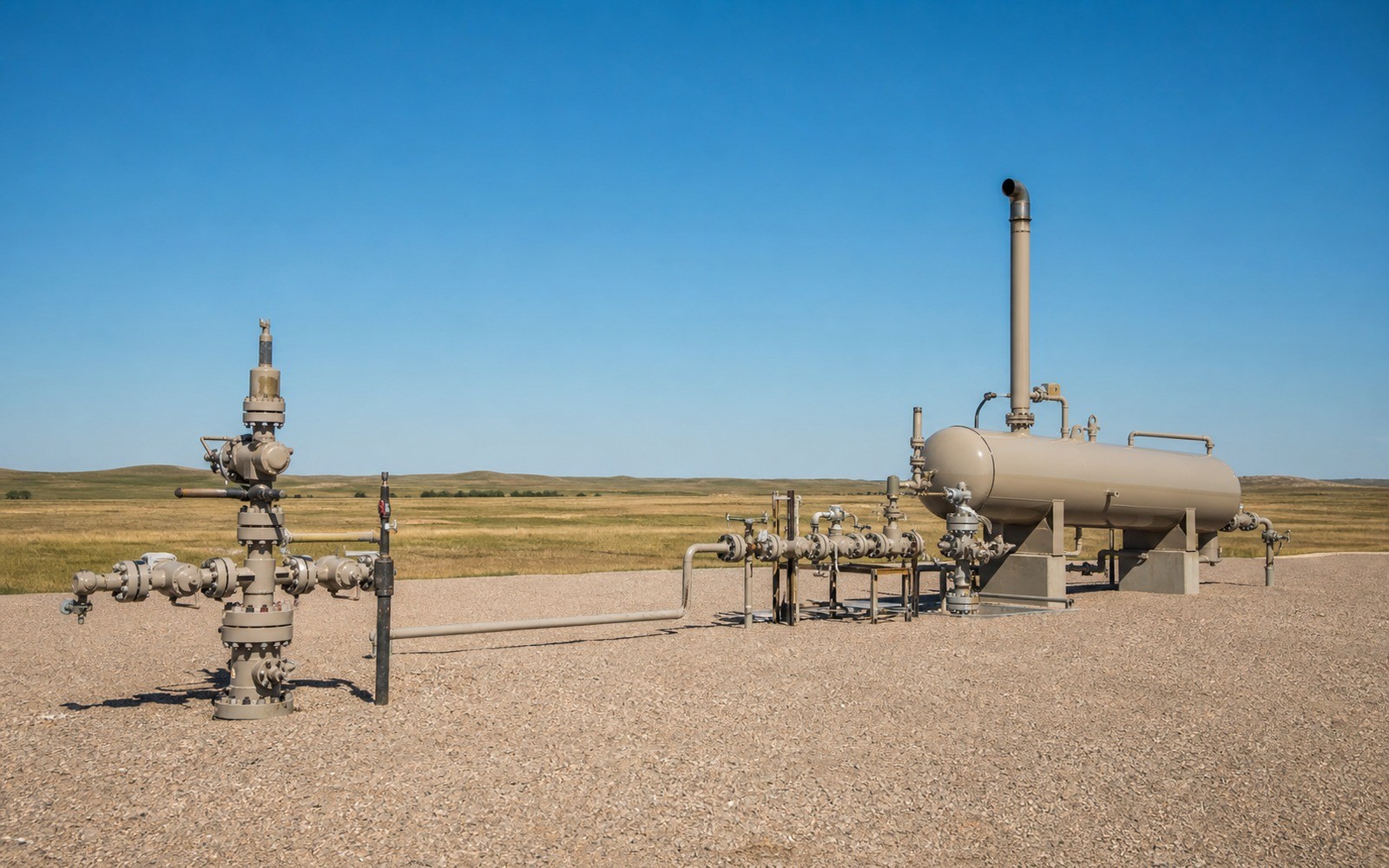
Smiley sits in Gonzales County, in the Eagle Ford's oil window, ground that saw some of the play's earliest and most productive drilling starting around 2010.
Gonzales County was one of the first counties where operators proved the Eagle Ford could produce economically at scale, and Smiley-area tracts have production histories going back to nearly the start of the boom. That length of history gives us solid data to work with, though it also means many original wells here are well into decline, with some tracts having seen infill drilling to capture additional reserves since.
Mineral ownership in this area typically traces back to farming and ranching families who've held the land for generations, with interests dividing through inheritance since the original leases were signed.
Early Eagle Ford production, now mature
Wells drilled near Smiley in the early years of the boom are now well into their decline curve, producing a fraction of initial rates. We price against current volumes and trend, not the numbers from a well's first year, and check for any infill drilling that's added newer production.
Farming and ranching-family ownership
We trace mineral title through Gonzales County deed and probate records back to the original farming or ranching family reservation, confirming your current fraction before making an offer.
What determines your offer
Current production and decline trend, whether infill wells have added value, and your confirmed net mineral acreage from the full deed chain.
Place the county tract on the basin board
The local file should tie the county record and legal description to the relevant basin, formation, field, unit, wells, permits, and operator position. A surface address can help find the tract, but it does not establish the mineral interest or prove participation in nearby development.
Read the local well vintages
Producing wells, shut-in wells, intermittent wells, newer laterals, older vertical wells, nearby completions, and general operator acreage in the surrounding area belong in separate evidence lanes. The paid property history carries more weight than a rig or permit that does not include the subject acreage.
Reconcile the ownership line
Deeds, reservations, leases, assignments, probate or trust records, division orders, unit documents, payor records, and statements should all point to the same local interest. Acreage, fractions, burdens, depths, products, and the paid decimal stay open until the supporting records agree.
Compare the deed and closing terms
A written offer for the tract should state the exact interest conveyed, effective date, receivables, reservations, title standard, curative responsibility, adjustment rights, payment conditions, and recording sequence. A strong headline number can still carry a broad deed or a weak closing condition.
Texas Owner Questions
Your family's well near Smiley was drilled over a decade ago. Is it still worth anything?
Often yes, though at much lower volumes than in its early years. We check current production before pricing your interest.
Has infill drilling happened on tracts like yours?
It varies by specific section. We check Railroad Commission records for your tract to confirm whether additional wells have been drilled since the original ones.
Do you buy small legacy fractions in this area?
Yes, small fractional interests split among heirs are common here and make up much of what we buy.
Can you sell just your share if your siblings want to hold onto theirs?
Yes, each heir's fraction is separately owned, and we can purchase your share without requiring the rest of the family to sell.
What if you only have an old check stub, not the original lease?
That's enough to start. A check stub identifies the operator and property, which lets us pull the underlying records ourselves.