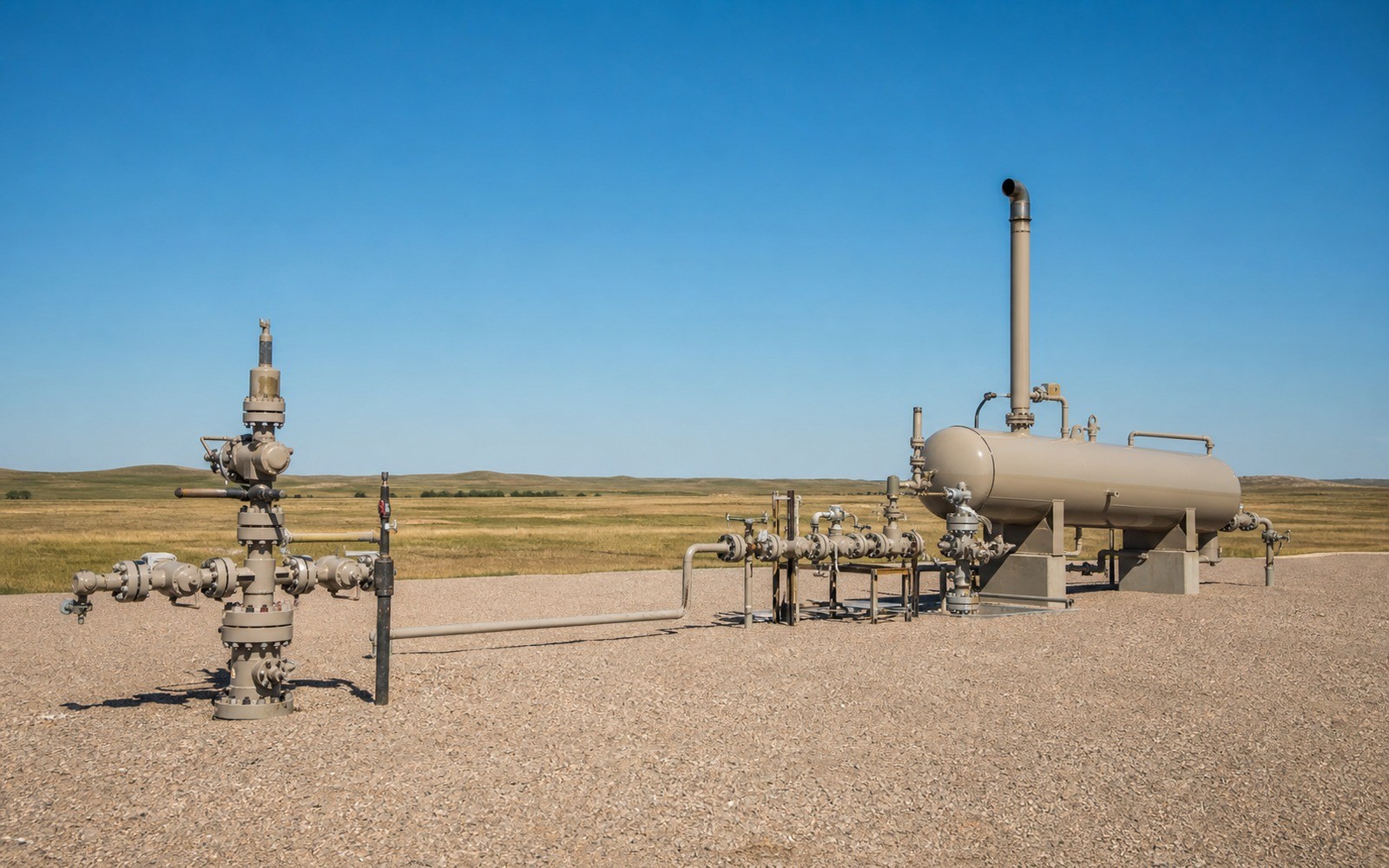
Watauga sits among the Mid-Cities between Fort Worth and Dallas, and like its neighbors, minerals here got pooled into directionally drilled Barnett units during the mid-2000s boom, mostly out of sight from street level.
This is dense, built-out Tarrant County ground, and Watauga's Barnett interests are almost always part of a pooled unit shared with adjacent cities like Haltom City or Richland Hills rather than tied to a standalone well. Your division order should show the unit name and operator, which is where we start.
We have worked enough of these Mid-Cities files to recognize the pattern: small fractional interests, pooled across several municipalities, tied to wells drilled well over a decade ago. That pattern makes valuation more predictable than it might look at first glance, once we have pulled the actual numbers.
Send us what you have and we will tell you where your interest actually stands.
Mid-Cities pooling crosses municipal lines
Because these Barnett units were drilled to reach efficiently under multiple built-out cities, your pooled unit may extend beyond Watauga's city limits into neighboring communities. That's normal, and it doesn't change how your interest is valued, what matters is your percentage of the unit and that unit's production.
Legacy production, flattening checks
Wells feeding these Mid-Cities units are now well past their steep early decline. If your royalty income has settled into a fairly predictable, modest amount over the past several years, that's typical for a Barnett well this age, not a sign something changed with your specific interest.
What determines your specific offer
We pull the actual production numbers for your unit and calculate your net decimal interest from the deed and division order, then compare that against what similar Tarrant County interests have recently sold for before bringing you a number.
Place the county tract on the basin board
The local file should tie the county record and legal description to the relevant basin, formation, field, unit, wells, permits, and operator position. A surface address can help find the tract, but it does not establish the mineral interest or prove participation in nearby development.
Read the local well vintages
Producing wells, shut-in wells, intermittent wells, newer laterals, older vertical wells, nearby completions, and general operator acreage in the surrounding area belong in separate evidence lanes. The paid property history carries more weight than a rig or permit that does not include the subject acreage.
Reconcile the ownership line
Deeds, reservations, leases, assignments, probate or trust records, division orders, unit documents, payor records, and statements should all point to the same local interest. Acreage, fractions, burdens, depths, products, and the paid decimal stay open until the supporting records agree.
Compare the deed and closing terms
A written offer for the tract should state the exact interest conveyed, effective date, receivables, reservations, title standard, curative responsibility, adjustment rights, payment conditions, and recording sequence. A strong headline number can still carry a broad deed or a weak closing condition.
Texas Owner Questions
Your unit name doesn't match the city of Watauga. Is that normal?
Yes. Pooled units in this part of Tarrant County commonly cross city lines and get named after the operator's internal designation rather than a specific municipality.
How do you value a small, stable legacy interest like yours?
We pull the actual production history for your unit and project the remaining decline, then price the interest based on that data, not a rough estimate.
Do you need to involve your whole family if you co-own the interest?
No, we can buy individual shares. Each co-owner can decide separately whether to sell.
What if you have lost track of who the current operator is?
That happens often after years of company mergers and acquisitions in this play. Send us your original lease name or old check stub and we will track down the current operator through Railroad Commission filings.