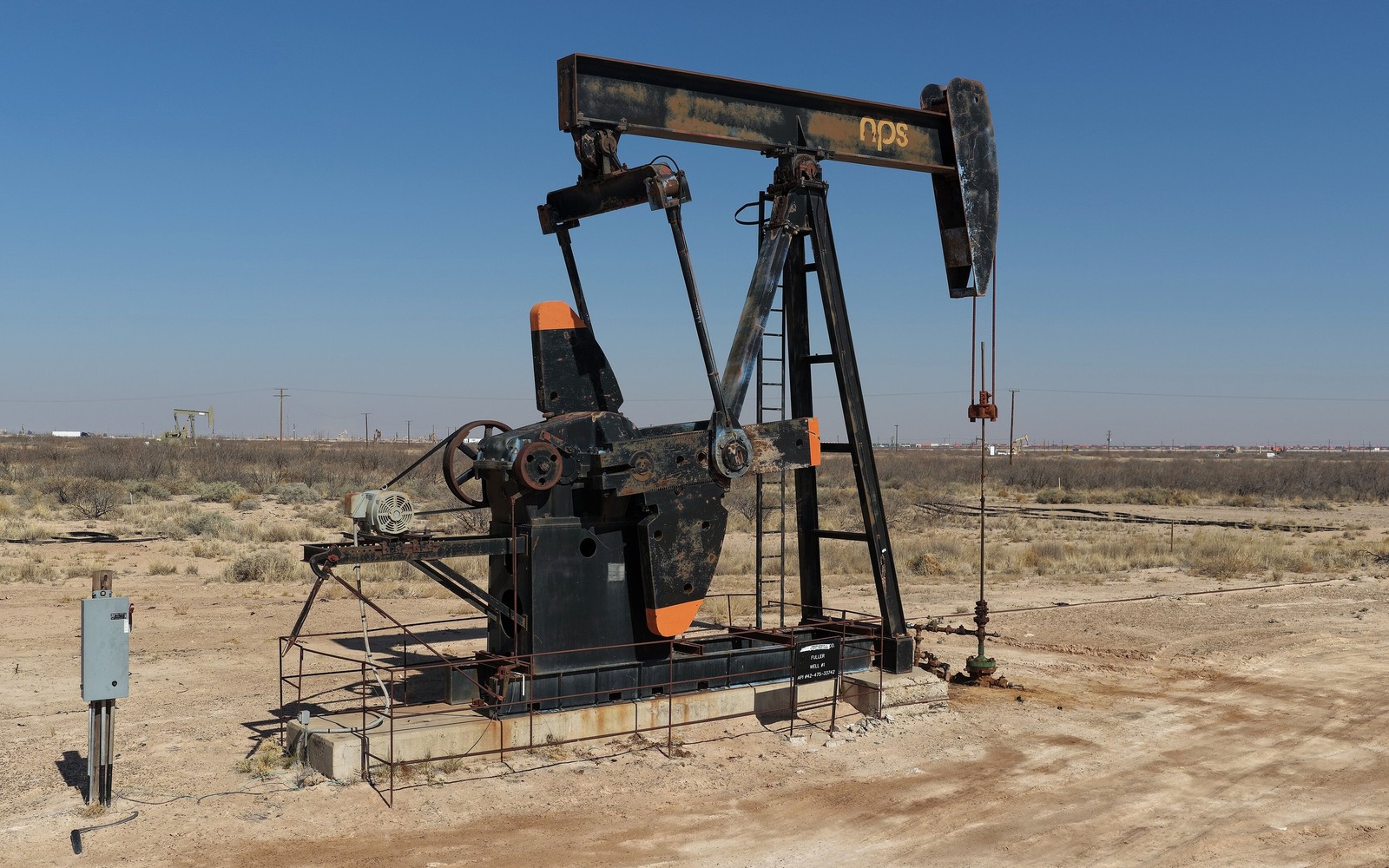
Barstow sits along the Pecos River in Ward County, part of the Permian Basin's Central Basin Platform and Delaware Basin edge, with a mix of older conventional production and newer horizontal activity layered under the same farmland.
Ward County has a long oil history tied to conventional Permian production going back decades, and more recently has seen Delaware Basin horizontal wells pushing into parts of the county. Barstow's irrigated farmland sits over both, which means mineral ownership questions here often involve untangling an older lease from a newer one covering different depths.
Ward County's irrigated farmland along the Pecos River has supported both agriculture and oil production side by side for generations, and Barstow families have generally managed to keep both interests going without one crowding out the other.
Ward County's Pecos River farmland has supported both irrigation-heavy agriculture and steady oil production for generations, and Barstow families have generally treated the two as complementary rather than competing uses of the same land.
Old Conventional Wells, New Horizontal Units
A tract near Barstow can have a decades-old vertical well still producing from a shallower zone while a modern horizontal unit targets deeper Wolfcamp or Bone Spring rock below it. Both can exist under the same acreage, sometimes under different leases entirely.
Farmland Ownership and Mineral History
Barstow's identity as a farming community means a lot of the land here was valued for irrigation long before oil companies came calling, and the mineral rights on many tracts stayed with the original farming families through multiple lease cycles.
Checking Ward County Records
The Ward County Clerk's office in Monahans holds the deed and lease history for Barstow-area tracts. We check both older and newer leasing activity there before valuing an interest.
Older Wells and Plugging Liability
A concern some Barstow-area owners raise is whether they could ever be responsible for plugging costs on an old well. As a mineral owner rather than an operator, that liability generally falls to the well's operator, not to you, though it's worth confirming your specific lease doesn't create unusual obligations.
Place the county tract on the basin board
The local file should tie the county record and legal description to the relevant basin, formation, field, unit, wells, permits, and operator position. A surface address can help find the tract, but it does not establish the mineral interest or prove participation in nearby development.
Read the local well vintages
Producing wells, shut-in wells, intermittent wells, newer laterals, older vertical wells, nearby completions, and general operator acreage in the surrounding area belong in separate evidence lanes. The paid property history carries more weight than a rig or permit that does not include the subject acreage.
Reconcile the ownership line
Deeds, reservations, leases, assignments, probate or trust records, division orders, unit documents, payor records, and statements should all point to the same local interest. Acreage, fractions, burdens, depths, products, and the paid decimal stay open until the supporting records agree.
Compare the deed and closing terms
A written offer for the tract should state the exact interest conveyed, effective date, receivables, reservations, title standard, curative responsibility, adjustment rights, payment conditions, and recording sequence. A strong headline number can still carry a broad deed or a weak closing condition.
Texas Owner Questions
Can you have two different leases on the same tract near Barstow?
Yes, if depths are separated, an older lease may cover shallow zones while a newer one covers deeper Delaware Basin targets. We check both.
Is Barstow considered Delaware Basin or Central Basin Platform?
Ward County sits near the boundary between the two, and the specific classification depends on your tract's exact location.
How do you know if your old vertical well lease is still active?
We check Railroad Commission production records to confirm current status.
Could you be responsible for plugging costs on an old well near Barstow?
Generally no, plugging liability falls on the operator under state regulations, not the mineral owner. We can review your specific lease if you have concerns.
Does irrigation use near Barstow interfere with oil and gas development?
Generally no, operators typically work around active agricultural use through surface use agreements that address access and timing.