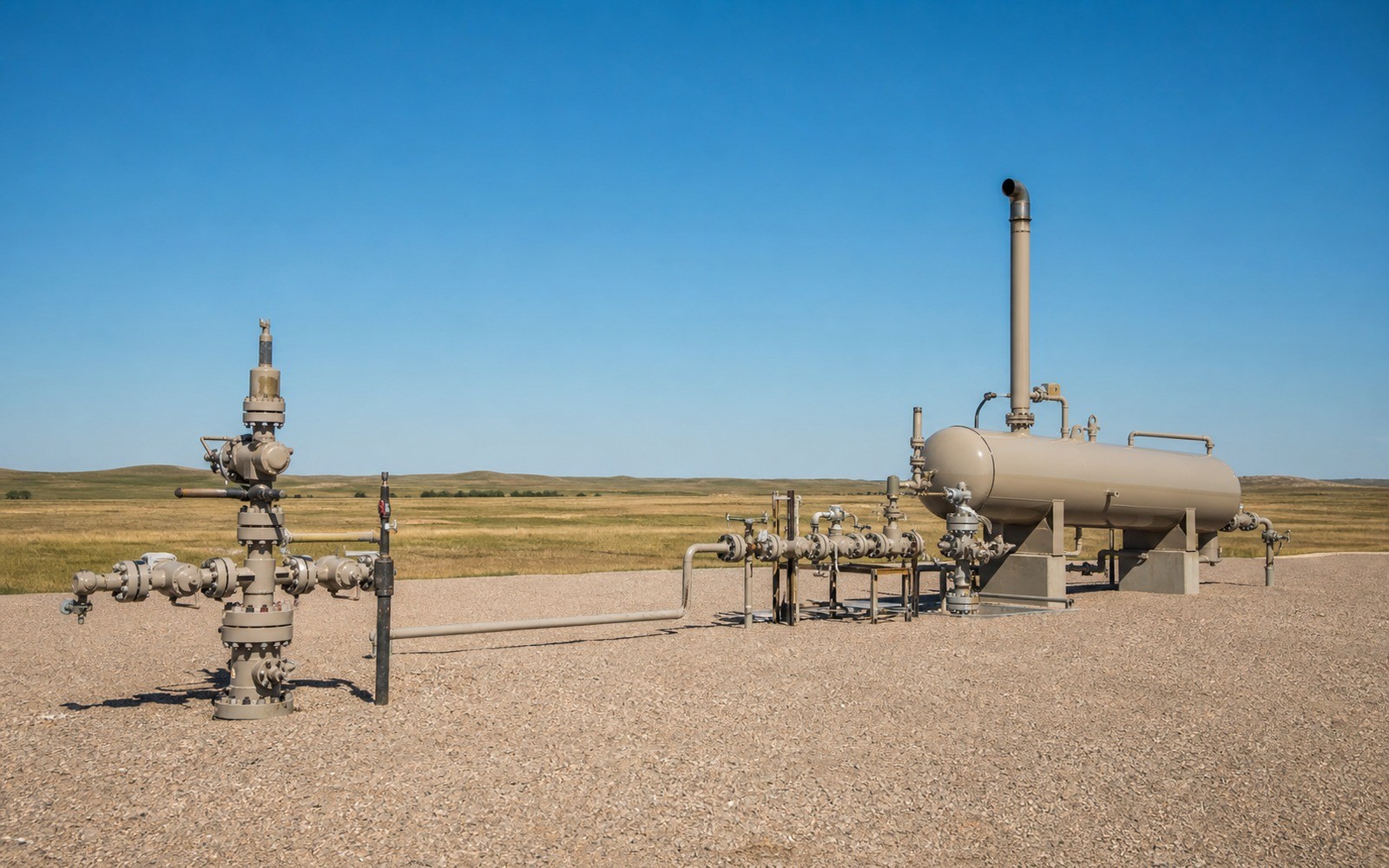
Charlotte sits in Atascosa County on the northern reach of the Eagle Ford, ranch and farm country where mineral ownership still runs mostly along family lines.
Atascosa County wasn't the absolute center of the Eagle Ford boom, but it saw real leasing and drilling activity as operators worked outward from the core counties to the south. Around Charlotte, that usually meant a family ranch or farm getting a lease offer sometime after 2010, followed by royalty checks if a well eventually got drilled on or near the tract.
The Northern Reach of the Eagle Ford
Atascosa County sits toward the edge of the Eagle Ford's productive fairway, which means development here was more selective than in the core counties further south. Some tracts near Charlotte have solid production; others were leased but saw limited or no drilling, depending on how the geology tested out on that specific acreage.
Family Farms and Ranches
Land around Charlotte has stayed largely agricultural, and mineral ownership frequently traces to one long-held family tract rather than a complicated string of resales. That tends to make title work more straightforward, though we still confirm every detail against Atascosa County's deed and probate records before making an offer.
Producing vs. Leased-Only Acreage
If your tract has an active well, we price against your recent statements. If it was leased but never drilled, the value depends on nearby activity rather than production history, and we tell you plainly which situation applies before discussing numbers.
Place the county tract on the basin board
The local file should tie the county record and legal description to the relevant basin, formation, field, unit, wells, permits, and operator position. A surface address can help find the tract, but it does not establish the mineral interest or prove participation in nearby development.
Read the local well vintages
Producing wells, shut-in wells, intermittent wells, newer laterals, older vertical wells, nearby completions, and general operator acreage in the surrounding area belong in separate evidence lanes. The paid property history carries more weight than a rig or permit that does not include the subject acreage.
Reconcile the ownership line
Deeds, reservations, leases, assignments, probate or trust records, division orders, unit documents, payor records, and statements should all point to the same local interest. Acreage, fractions, burdens, depths, products, and the paid decimal stay open until the supporting records agree.
Compare the deed and closing terms
A written offer for the tract should state the exact interest conveyed, effective date, receivables, reservations, title standard, curative responsibility, adjustment rights, payment conditions, and recording sequence. A strong headline number can still carry a broad deed or a weak closing condition.
Texas Owner Questions
Is Charlotte in the core of the Eagle Ford, or the edge of it?
Atascosa County sits more toward the northern edge of the play than the core oil window further south, which affects both drilling density and value. We check your specific tract's activity before quoting.
Your family's ranch was leased years ago but you do not think a well was ever drilled. Do you still have something to sell?
Possibly. A leased-but-undrilled interest can still have value depending on nearby activity. We're upfront about whether that's the case for your tract.
How do you confirm ownership on a long-held family farm?
We pull deed and probate records from Atascosa County to trace the chain of title, working from whatever documentation your family has, even if it's incomplete.
How long has your team been working Atascosa County title issues?
We work Eagle Ford counties across the board, including Atascosa, and the process is consistent: pull the county records, confirm the decimal, then make a fair offer based on that verified ownership.