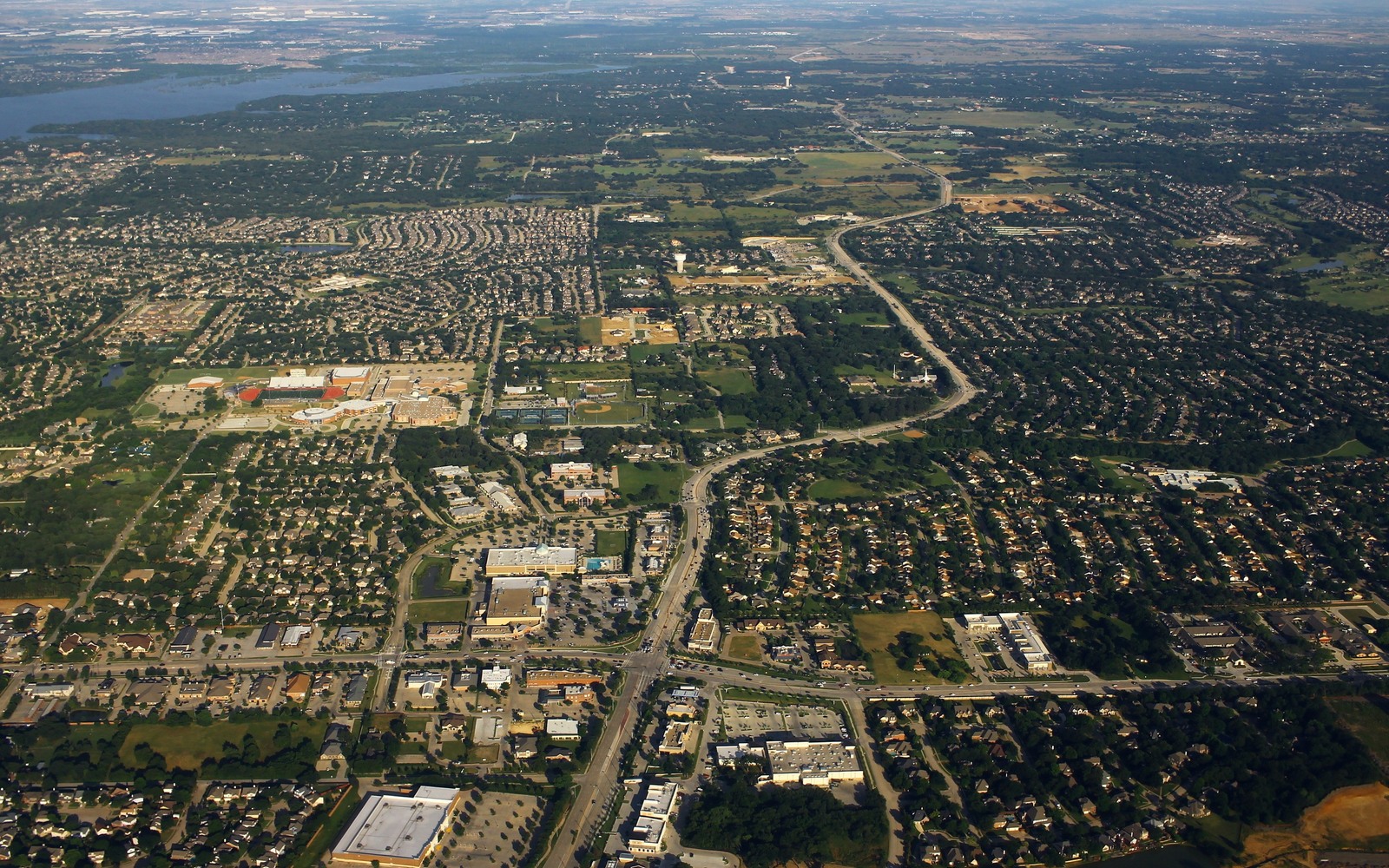
Flower Mound fought some of the most public battles in Texas over where gas wells could be drilled next to homes, and that fight shaped how minerals here get produced today.
Around 2011 through 2014, Flower Mound became one of the more visible examples in Texas of a fast-growing suburb pushing back on setback distances and well-pad placement near residential neighborhoods, as drilling proposals collided with an already-built-out town. That fight didn't stop production in the area, but it did shape where and how wells got sited, and it's part of why some Flower Mound mineral owners have unusually detailed knowledge of the well tied to their interest.
A Town That Pushed Back on Setbacks
Flower Mound's local ordinances on well setbacks and drilling permits were among the more restrictive in the region during the height of the Barnett boom, which meant fewer new pad sites got approved compared to less restrictive neighboring cities. Existing wells kept producing, but new development slowed relative to the earlier boom years.
What That History Means for Your Interest Today
If your mineral interest is tied to a well that predates the town's stricter ordinances, it's likely one of the older, more established wells in the area, with a long production history to price against. If your acreage was never developed due to those restrictions, its value depends more on the possibility of future activity than on any check history.
Title Work Across a Rapidly Built Suburb
Flower Mound's growth from ranchland to major suburb happened over a relatively short window, which means mineral reservations here often show up in deeds from a fairly specific and traceable era. We pull those records from the relevant county to confirm your exact ownership before making an offer.
Place the county tract on the basin board
The local file should tie the county record and legal description to the relevant basin, formation, field, unit, wells, permits, and operator position. A surface address can help find the tract, but it does not establish the mineral interest or prove participation in nearby development.
Read the local well vintages
Producing wells, shut-in wells, intermittent wells, newer laterals, older vertical wells, nearby completions, and general operator acreage in the surrounding area belong in separate evidence lanes. The paid property history carries more weight than a rig or permit that does not include the subject acreage.
Reconcile the ownership line
Deeds, reservations, leases, assignments, probate or trust records, division orders, unit documents, payor records, and statements should all point to the same local interest. Acreage, fractions, burdens, depths, products, and the paid decimal stay open until the supporting records agree.
Compare the deed and closing terms
A written offer for the tract should state the exact interest conveyed, effective date, receivables, reservations, title standard, curative responsibility, adjustment rights, payment conditions, and recording sequence. A strong headline number can still carry a broad deed or a weak closing condition.
Texas Owner Questions
Does Flower Mound's history of restricting drilling affect what your minerals are worth?
It can, depending on whether your interest is tied to an existing producing well or undeveloped acreage. We check the specific situation for your tract before quoting a number.
Your mineral deed came from when Flower Mound was still mostly ranchland. Is that recent enough to trace easily?
Usually, yes. Because the town's transition from rural to suburban happened fairly recently and rapidly, those deeds tend to be well-documented and easier to trace than much older rural reservations.
Is there any chance of new drilling on undeveloped minerals here?
It's possible but depends heavily on current local ordinances and operator interest. We check recent permit activity near your specific tract before discussing value.