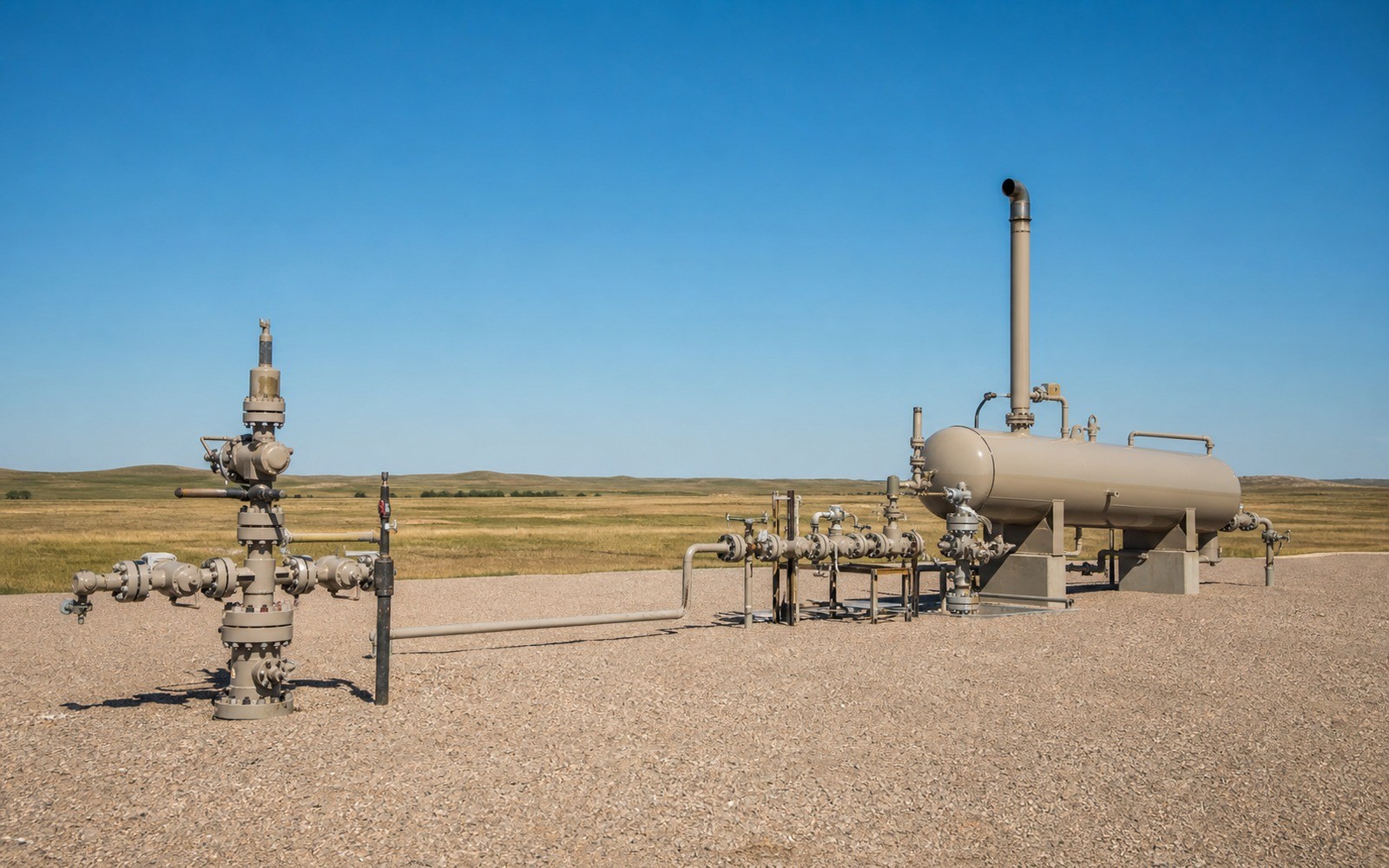
Gonzales County was one of the first counties operators targeted when the Eagle Ford took off around 2009, and it's stayed one of the play's most productive counties ever since.
The county sits in the condensate-rich middle of the play, producing more liquids-heavy output than the pure gas counties to the east and less purely oil-focused than the western counties near the Mexico border. Gonzales, the county seat, holds the courthouse records that trace ownership back through generations of ranch and farm families whose land became some of the most heavily drilled Eagle Ford acreage anywhere.
Because this county was drilled early and hard, most wells here are well into their decline, and mineral owners are often dealing with interests that have been through multiple leases, multiple pooled units, and in some cases multiple operators over the last fifteen years.
Why Gonzales County became an early Eagle Ford leader
The county's position in the liquids-rich window meant operators could target both strong oil cuts and meaningful gas volumes from the same wellbore, which made the economics attractive even in the play's earliest years before completion techniques had fully matured elsewhere. That early, aggressive drilling means well vintages here skew older than in some other Eagle Ford counties.
What multi-product royalty statements look like
Because these wells produce oil, gas, and natural gas liquids together, a Gonzales County royalty statement often has several line items with different pricing behind each one. We review your full statement history across all three products, not only whichever line item is largest, when evaluating your interest.
Courthouse research in the county seat
The Gonzales County Clerk's office holds deed, lease, and probate records going back well before the Eagle Ford boom, since this county has a long ranching and farming history independent of oil and gas. We trace your specific chain of title through those records and match it to the correct Railroad Commission unit or units before quoting.
Value at this stage of the play
With most wells now a decade or more into production, current value depends heavily on remaining reserves and current pricing across oil, gas, and NGLs rather than the county's historic reputation as an early Eagle Ford hotspot. We give you a number grounded in your specific tract's actual, current numbers.
A county with history on both sides of the ledger
Gonzales holds a real place in Texas history as the site of the first battle of the Texas Revolution, and that same sense of local identity has carried into how the community has approached the Eagle Ford boom, welcoming the activity while staying rooted in ranching and farming as the backbone of the local economy.
For mineral owners, that steadiness has meant fewer wild swings in how the county handles oil and gas business compared to some newer boomtowns. Courthouse processes are established, title work is generally straightforward once we have your legal description, and the county's long paper trail actually works in your favor when we're confirming decades of ownership.
What to expect when you reach out
We start with whatever documentation you have, a deed, a division order, a recent royalty statement, and fill in the rest from Gonzales County Clerk records and Railroad Commission filings. If your interest passed through inheritance without a formal probate, we'll tell you plainly what's needed before a sale can close.
From there we review every wellbore tied to your tract, confirm your net mineral acreage and decimal interest, and put together a number grounded in actual, current production. We're glad to walk through exactly how we arrived at that figure before you decide anything.
Texas Owner Questions
Why is Gonzales County considered an early Eagle Ford leader?
It sits in the play's liquids-rich window, which made wells here economically attractive from the very start of the boom, leading to dense early drilling.
Your royalty statement has separate oil, gas, and NGL line items. Is that normal?
Yes, this is standard for Gonzales County Eagle Ford wells, which typically produce all three products together.
Where do you find historical deed records for Gonzales County?
At the county clerk's office in Gonzales, the county seat. Records here often predate the Eagle Ford boom by decades given the county's ranching history.
Are wells in this county still producing at meaningful rates?
Most are well into decline at this point, but many still produce steadily. We check your specific well's current data before making an offer.
Does Gonzales County's long ranching history make title research easier?
Generally yes. A well-documented, long-established county tends to have clearer deed and probate records than a newer, faster-changing area.
What documentation should you gather before contacting you?
A deed, division order, or recent royalty statement is helpful but not required. We can research the rest from county and Railroad Commission records.
Do you buy interests currently under lease but not yet producing?
Yes, though the offer reflects the added uncertainty of undeveloped acreage compared to a currently producing well.