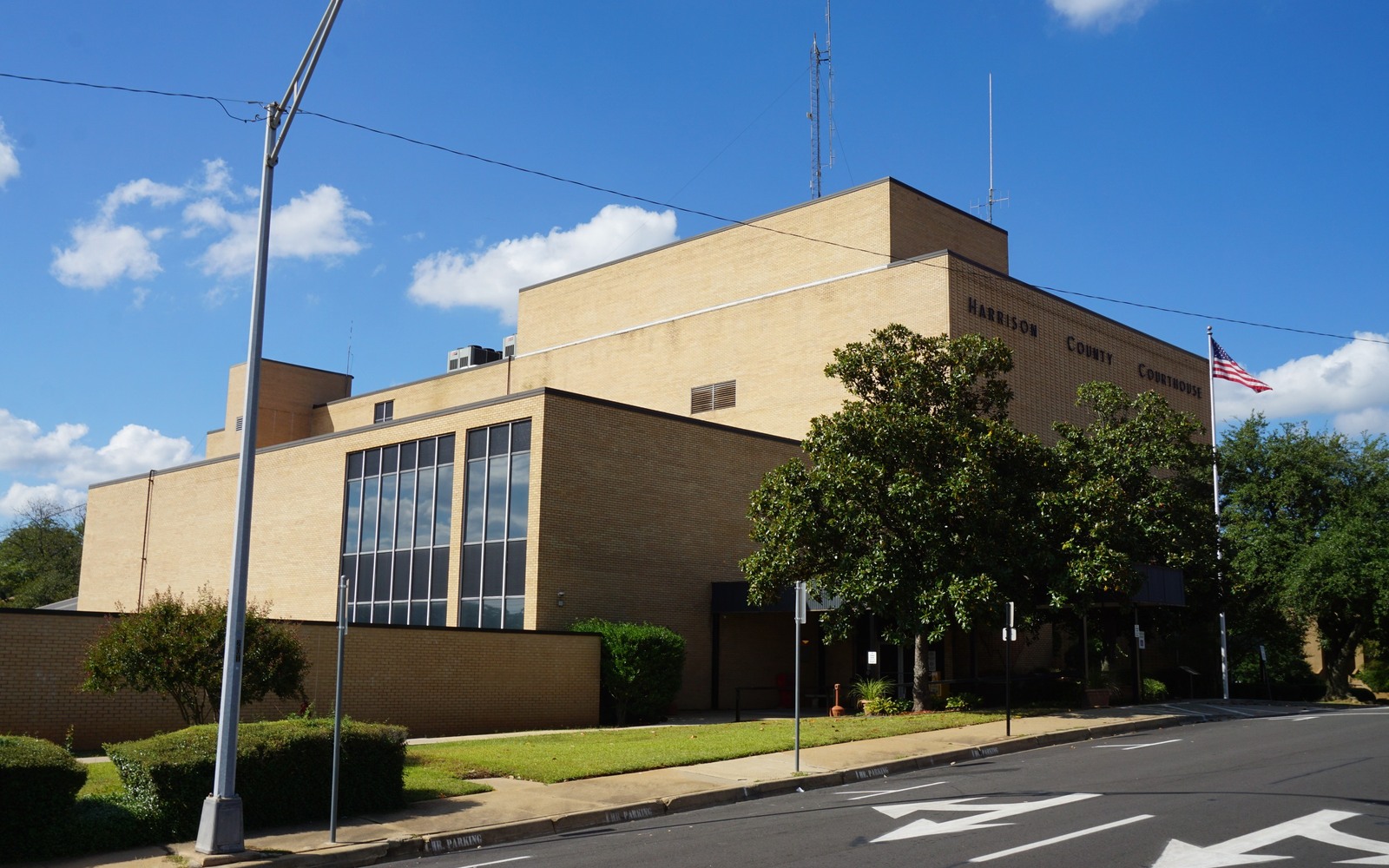
Harrison County anchors the Texas side of the Haynesville Shale along the Louisiana border, deep East Texas gas country that's seen multiple waves of drilling since the play's discovery.
Marshall is the county seat, and the deed and probate records held at the Harrison County Clerk's office trace ownership across land that's mostly been in farm and timber families for generations. The Haynesville here runs deep, often 10,000 feet or more, which makes these wells expensive to drill but capable of producing large volumes of gas when pricing supports the investment.
Because Haynesville economics respond so directly to natural gas pricing, Harrison County has seen distinct boom-and-pause cycles rather than one steady wave of development, drilling accelerated when gas prices were strong, slowed when they weren't, and has picked back up in more recent cycles as demand for natural gas, including for export and power generation, has grown.
What we look at before quoting
Current production, remaining reserves, gas pricing on the strip, and whether nearby permits suggest continued development all factor into an offer. Harrison County's history of cyclical drilling means we check current activity carefully rather than assuming past boom-year conditions still apply.
A deep, gas-price-sensitive play
Unlike shallower oil-focused shale plays, the Haynesville is almost entirely a gas play, and its economics hinge on natural gas pricing more directly than plays with meaningful oil or NGL production to cushion swings. That means the value of a Harrison County mineral interest can move more with the gas market than a comparable interest in an oil-heavy county elsewhere in Texas.
Farm and timber families, long-held minerals
A lot of Harrison County land has been managed for timber or row crops for generations, with mineral ownership passed down separately from however the surface is currently used. It's common to find interests split among multiple heirs, sometimes living well outside the county or even outside Texas, which doesn't complicate a sale on our end.
Marshall's place in East Texas oil and gas
Marshall has been a courthouse town for East Texas oil and gas business since long before the Haynesville, tracing back to earlier conventional gas development across this stretch of the Piney Woods. That gives the county clerk's office decades of experience handling mineral transfers, reservations, and probate filings tied to oil and gas, which in practice makes the records here more thorough than in a county without that history.
The Texas and Louisiana sides of the Haynesville don't stop at the state line, and the geology under Harrison County connects directly to the thick, productive rock across the border. That continuity is part of why this county has stayed relevant through multiple gas price cycles even as drilling slowed in some of the play's less productive corners.
What to expect from the process
We start with whatever you have, a deed, a division order, or a royalty statement, and build out the rest of your title from Harrison County Clerk records and Railroad Commission filings. If your interest came through inheritance without formal probate, we'll explain plainly what's needed before we can close.
Once title and production are confirmed, we walk you through exactly how we arrived at the number, current production, remaining reserves, and today's gas pricing, so you're never guessing at how the offer was built.
Title research at the Marshall courthouse
We pull your deed and every subsequent transfer from the Harrison County Clerk's office and match your legal description against the Railroad Commission's pooled unit filings for your tract. Older East Texas deeds sometimes reserve minerals at specific depths or exclude particular formations, language we read carefully so any offer reflects exactly what you own.
Texas Owner Questions
Why has Harrison County seen boom-and-pause drilling cycles instead of steady development?
Haynesville wells are deep and expensive, so operators pull back when gas prices are weak and ramp up when pricing supports the investment. That makes activity here more cyclical than in oil-heavy plays.
Where are Harrison County's deed and probate records kept?
At the county clerk's office in Marshall, the county seat, which is where we begin any title search for a tract in this county.
Your family's minerals are split among heirs who live outside Texas. Is that a problem?
No, we regularly work with out-of-state or even out-of-country heirs. Distance from the property doesn't complicate the process.
How much does current natural gas pricing affect your offer?
Meaningfully, since Haynesville economics are closely tied to gas prices. We use current strip pricing when building any offer for a Harrison County interest.
Does the geology near the Louisiana border make Harrison County wells different?
Rock quality can be stronger closer to the state line, similar to the thick Haynesville found in Louisiana's core counties. We check your specific well's actual production rather than assuming.
What should you have ready before you contact you?
A deed or recent statement helps, but isn't required. We can pull the rest of your title history from Harrison County records ourselves.