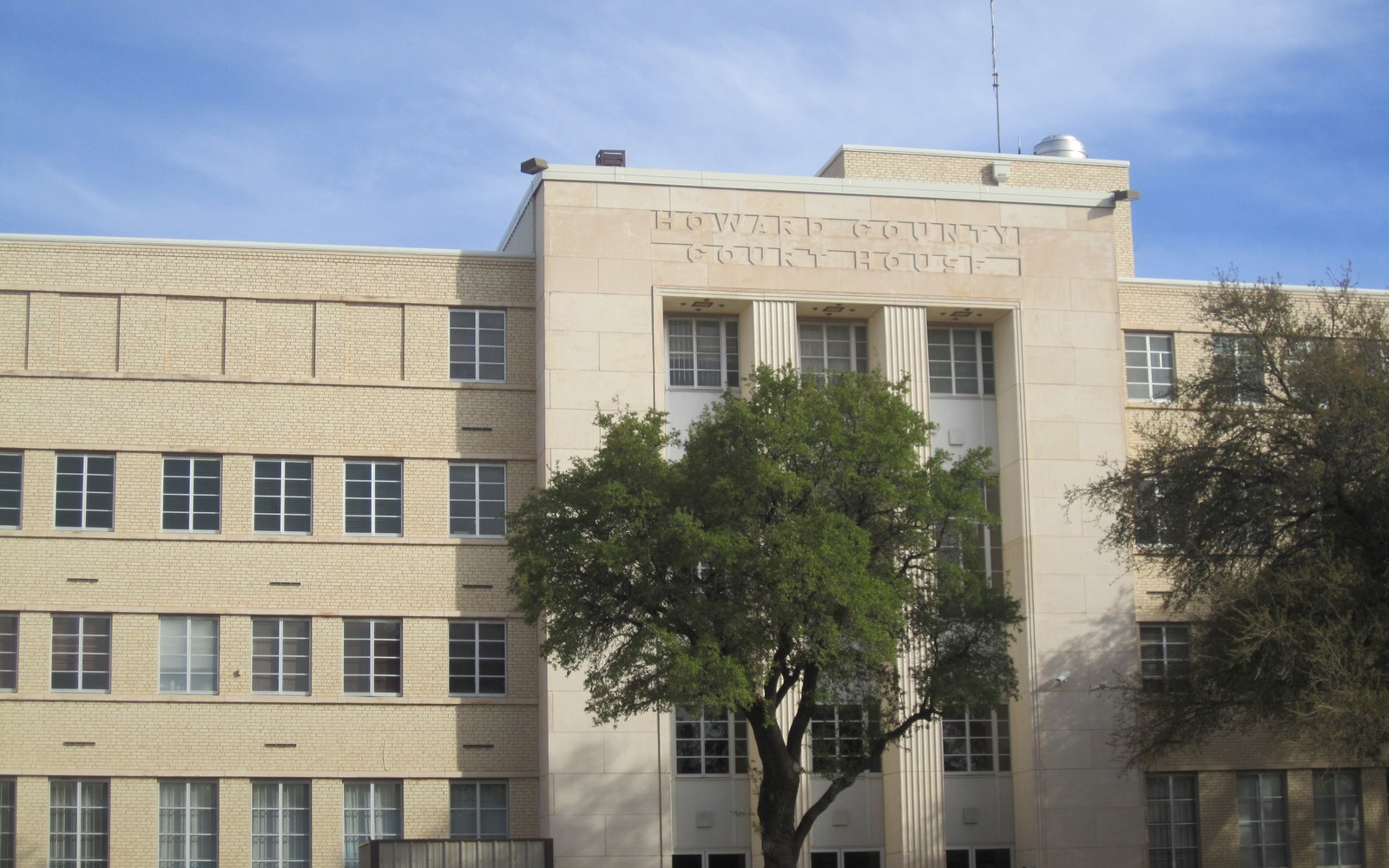
Big Spring anchors Howard County, oil country going back to the 1920s that's carried both old vertical production and newer horizontal Wolfcamp and Spraberry development.
This is one of the older producing counties in the Permian Basin, and that long history shows up in the courthouse records at the Howard County Clerk's office in Big Spring, decades of deeds, leases, probates, and mineral reservations layered on top of each other. More recently, horizontal drilling has extended into parts of the county that saw little activity in the vertical era, which means some Howard County owners are now dealing with production for the first time in a family interest that sat quiet for decades.
Whether your interest ties to an old stripper well that's been paying small, steady checks since before you were born, or a new horizontal unit drilled in the last few years, the starting point is the same: confirm exactly what you own and what's actually producing against it.
What determines the number
Combined production across old and new wellbores, current oil and gas pricing, and remaining reserve life all factor into value here. A long-producing stripper well and a newer horizontal unit are priced differently because they behave differently, and we account for both if they apply to your tract.
Old field, new development
Howard County's earliest fields date to the 1920s and 1930s, and a fair amount of that legacy vertical production is still active today at low, steady volumes. Layered on top of that, horizontal Wolfcamp and Spraberry drilling has moved through parts of the county over the last fifteen years, sometimes on the same sections as the old wells, sometimes on ground that had never been drilled before.
Reading a Howard County royalty statement
If you're seeing a new well listed on your statement that wasn't there a few years ago, that's likely a horizontal unit drilled into a section your family has held minerals on for a long time. We check the full well list tied to your interest, not only whichever check happens to be biggest that month, before we quote.
Big Spring's long relationship with oil
Big Spring grew up as an oil town, and the county courthouse there has processed mineral transfers, leases, and probate filings tied to petroleum for close to a century. That depth of institutional experience is part of why title research in Howard County tends to go smoothly even when a chain of ownership runs back several generations.
The county has also weathered every boom and bust cycle the Permian has thrown at it, from the original 1920s discoveries through the 1980s downturn to the recent horizontal drilling wave. Owners here have often seen firsthand how production and pricing move together over long stretches, which is useful context even though today's offer is always based on current numbers, not history.
Getting started with an evaluation
A recent division order or royalty statement is the fastest way to begin, since it usually names the well and operator directly. Without one, your name and the county are enough for us to start pulling records ourselves from the Howard County Clerk and the Railroad Commission.
We confirm your net mineral acreage and decimal interest across every applicable wellbore before putting together a number, and we're glad to walk through exactly how we got there before you make any decision.
Title research at the Big Spring courthouse
We pull your deed and prior transfers from the Howard County Clerk's records and cross-reference against Railroad Commission unit filings for each well. Older Howard County deeds sometimes include depth-specific reservations from decades-old transactions, which we read carefully so the offer matches exactly what you own.
Texas Owner Questions
Your family's interest has paid small checks for decades from an old well. Is it worth selling now?
Often yes. Long-producing stripper wells still carry real value tied to remaining reserves, and we evaluate that against current pricing rather than dismissing a small, steady interest.
A new well just started producing on your tract. How does that change things?
New horizontal production typically increases the near-term value of an interest since it adds reserves and cash flow. We'll review the new well's early production alongside your legacy wells.
Where does Howard County keep its property records?
At the county clerk's office in Big Spring, the county seat, which holds the deed and probate history we use to confirm your ownership.
Can you handle an interest with reservations at specific depths only?
Yes, we read depth and formation limitations in older deeds carefully so any offer reflects exactly what you're entitled to, not more or less.
Has Howard County been through boom-and-bust cycles before?
Yes, multiple times going back a century. We price your interest against current conditions, not past cycles, but that history often makes title records more thorough.
What's the easiest way to start the process?
Send us your deed or a recent statement, and we'll handle the title and production research before coming back with a straight number.