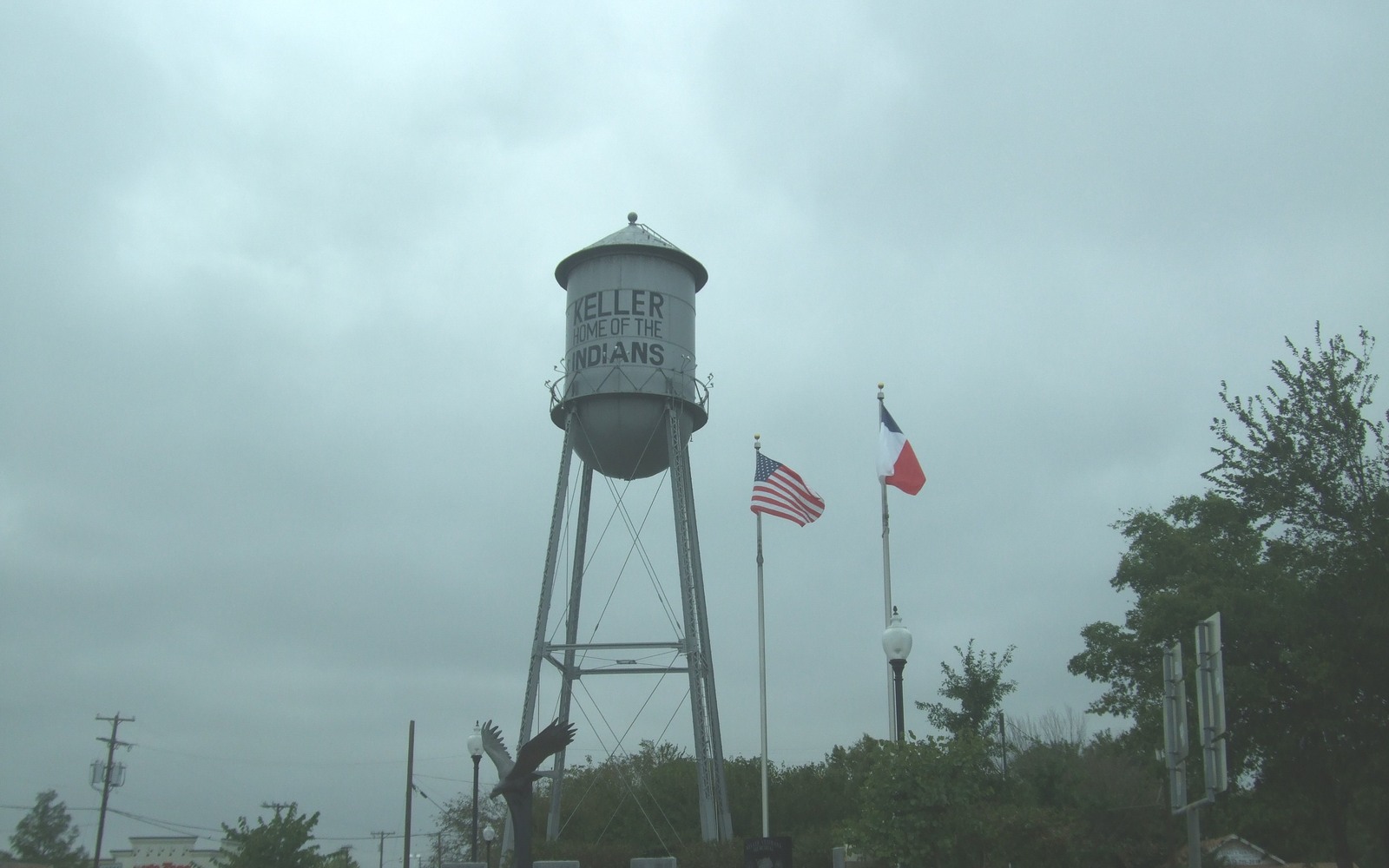
Keller grew fast right through the years Tarrant County was permitting Barnett wells inside city limits, and a lot of homeowners here inherited a mineral interest without ever meaning to.
Keller is suburban now, but under the subdivisions sits the same Barnett Shale that made Tarrant County one of the most drilled urban gas fields in the country. Unlike rural counties where minerals stayed with ranch families, a lot of Keller mineral interests came bundled into home purchases or were carved out and sold separately by developers before the lots were platted.
Urban Drilling, Real Production
Tarrant County allowed horizontal Barnett wells to be drilled from pad sites tucked into commercial lots and easements near residential areas, including around Keller. The wells themselves aren't visible from most neighborhoods, but the spacing units they drain often run directly under the subdivisions above them.
Because this was some of the most actively developed acreage in the whole Barnett play, most units here have solid production history to price against, even years past peak.
How Keller Owners Usually Find Out They Have an Interest
The most common way we hear from a Keller owner is a royalty check showing up for an amount too small to explain, tied to a mineral interest nobody remembers signing anything for. Sometimes it's an interest the previous owner of the house retained when they sold; sometimes it's inherited from a relative who bought early in the subdivision.
Either way, we can trace it through Tarrant County deed and division order records without you having to dig up the original paperwork.
Building an Offer From Real Data
Once we've identified your unit and confirmed your fractional share, we price the interest against that unit's actual production and decline history, not a generic Tarrant County estimate. If a number works for you, we prepare the deed and record it with the county ourselves, and most Keller-area sales close within a matter of weeks.
Place the county tract on the basin board
The local file should tie the county record and legal description to the relevant basin, formation, field, unit, wells, permits, and operator position. A surface address can help find the tract, but it does not establish the mineral interest or prove participation in nearby development.
Read the local well vintages
Producing wells, shut-in wells, intermittent wells, newer laterals, older vertical wells, nearby completions, and general operator acreage in the surrounding area belong in separate evidence lanes. The paid property history carries more weight than a rig or permit that does not include the subject acreage.
Reconcile the ownership line
Deeds, reservations, leases, assignments, probate or trust records, division orders, unit documents, payor records, and statements should all point to the same local interest. Acreage, fractions, burdens, depths, products, and the paid decimal stay open until the supporting records agree.
Compare the deed and closing terms
A written offer for the tract should state the exact interest conveyed, effective date, receivables, reservations, title standard, curative responsibility, adjustment rights, payment conditions, and recording sequence. A strong headline number can still carry a broad deed or a weak closing condition.
Texas Owner Questions
You bought your house in Keller — do you even own the minerals under it?
Not necessarily. Minerals are often severed from the surface before a subdivision is built, so many homeowners here don't own what's beneath their lot. We check the deed history to find out either way.
You get a tiny royalty check and don't know why. Can you explain it?
Yes. Bring us the check stub or a copy of your division order and we'll trace which well and unit it's tied to.
Are Tarrant County urban wells still producing?
Most are well past peak, but many are still active on long decline. We evaluate current production before pricing your interest.
Will selling affect your homeownership in any way?
No. A mineral sale doesn't touch your surface ownership, mortgage, or ability to sell your home.