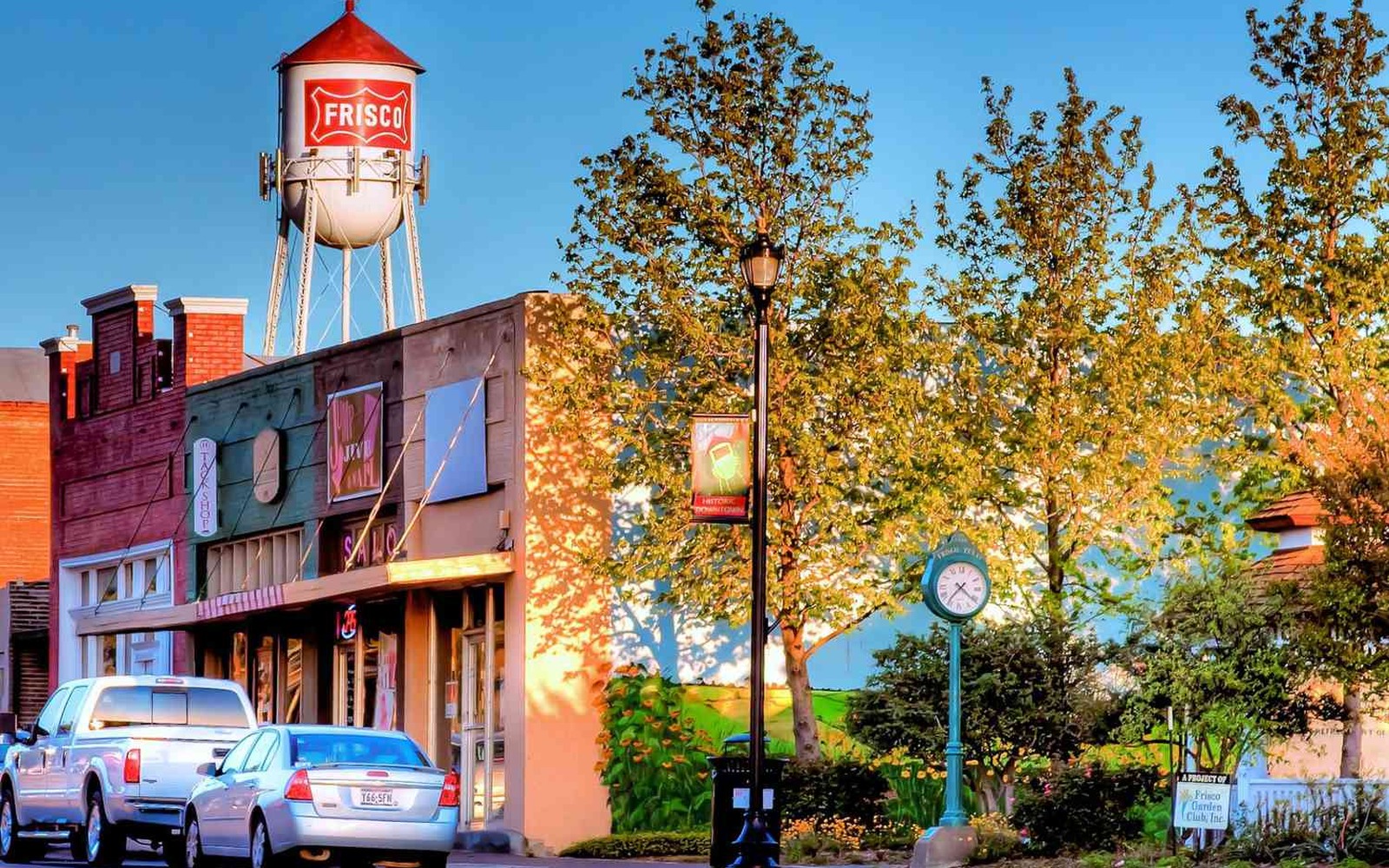
Frisco grew into a city on top of ranchland that was already carrying Barnett Shale wells, and the mineral estate under most of that acreage still traces back to the pre-boom owners.
Denton County was one of the busiest counties in the entire Barnett play during the mid-2000s, and Frisco's stretch of it saw a run of horizontal wells drilled from pad sites that are now surrounded by rooftops and retail. The wells came first. The city came after.
It's hard to picture now, given how fast Frisco has grown, but a lot of the land covering these units was still cattle pasture when the first horizontal laterals went in. That original ranch ownership is often exactly what we find at the top of the title chain.
A mature field under a young city
Most Frisco-area Barnett wells are now fifteen to twenty years old, well into the long decline tail that follows the steep early drop typical of shale gas. If your statements show a small, steady check compared to years past, that's the well behaving normally, not failing. What sets today's value is remaining reserves and current gas pricing against that decline curve.
Ownership fractured by growth, not by the well
As Frisco's ranch tracts were sold for development, the mineral estate often stayed with the original family or got split among heirs well before the surface ever changed hands. It's common to find a Frisco mineral owner today holding a small fractional interest that hasn't moved since a 1990s or 2000s deed, even though the land above it looks nothing like it did then.
What we verify before quoting
We confirm your legal description against the Denton County Clerk's records and match it to the correct Railroad Commission pooled unit, then review that unit's recent production. That's what an offer is built on, not a guess based on your neighborhood.
Place the county tract on the basin board
The local file should tie the county record and legal description to the relevant basin, formation, field, unit, wells, permits, and operator position. A surface address can help find the tract, but it does not establish the mineral interest or prove participation in nearby development.
Read the local well vintages
Producing wells, shut-in wells, intermittent wells, newer laterals, older vertical wells, nearby completions, and general operator acreage in the surrounding area belong in separate evidence lanes. The paid property history carries more weight than a rig or permit that does not include the subject acreage.
Reconcile the ownership line
Deeds, reservations, leases, assignments, probate or trust records, division orders, unit documents, payor records, and statements should all point to the same local interest. Acreage, fractions, burdens, depths, products, and the paid decimal stay open until the supporting records agree.
Compare the deed and closing terms
A written offer for the tract should state the exact interest conveyed, effective date, receivables, reservations, title standard, curative responsibility, adjustment rights, payment conditions, and recording sequence. A strong headline number can still carry a broad deed or a weak closing condition.
Texas Owner Questions
Does new development around your well affect your mineral value?
No. Surface growth doesn't change what's happening two miles down. Your interest is valued on the well's actual production and remaining reserves.
You have a royalty statement but no deed. Can you still help?
Yes, a statement is usually enough to start. We can pull the deed record from Denton County ourselves to confirm your chain of title.
How long has the well under your Frisco tract been producing?
Most Frisco Barnett wells came online between 2005 and 2009. We can pull the exact spud and completion dates from the Railroad Commission before we quote.
Your deed lists an old survey and abstract number, not a street address. Is that a problem?
No, that's typical for pre-development Denton County land. We match older legal descriptions to the current unit without needing a modern address.